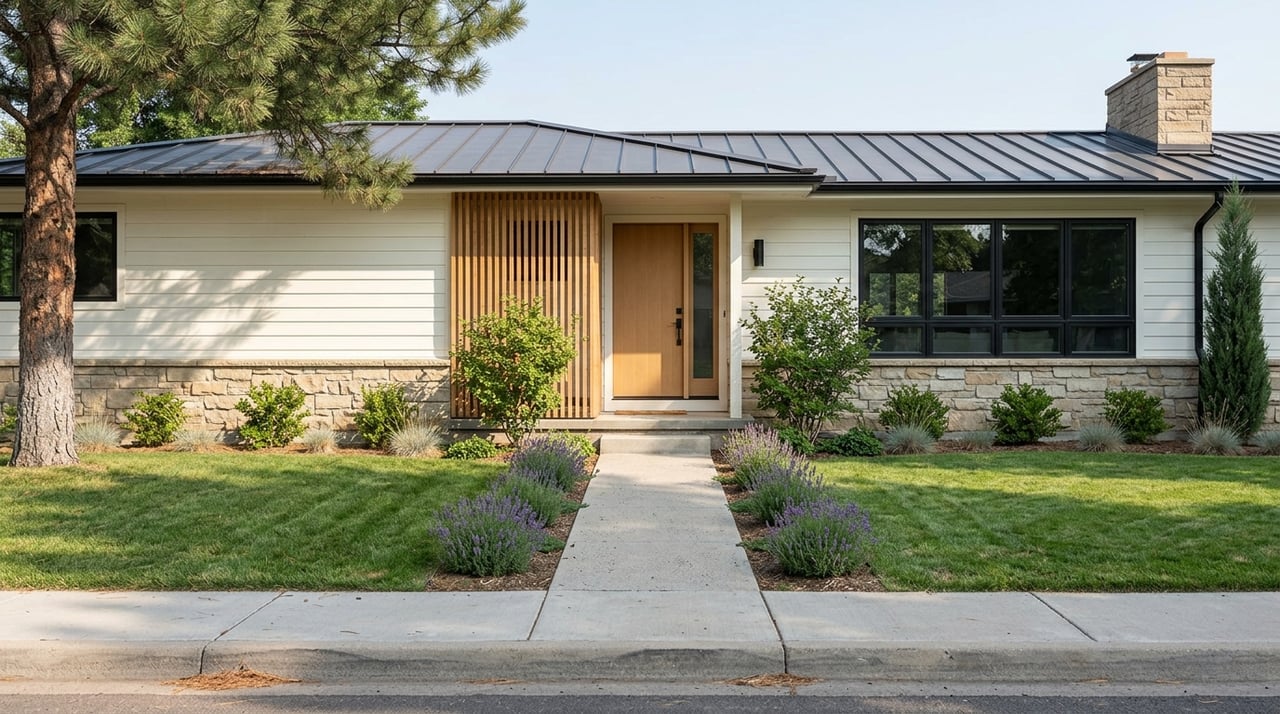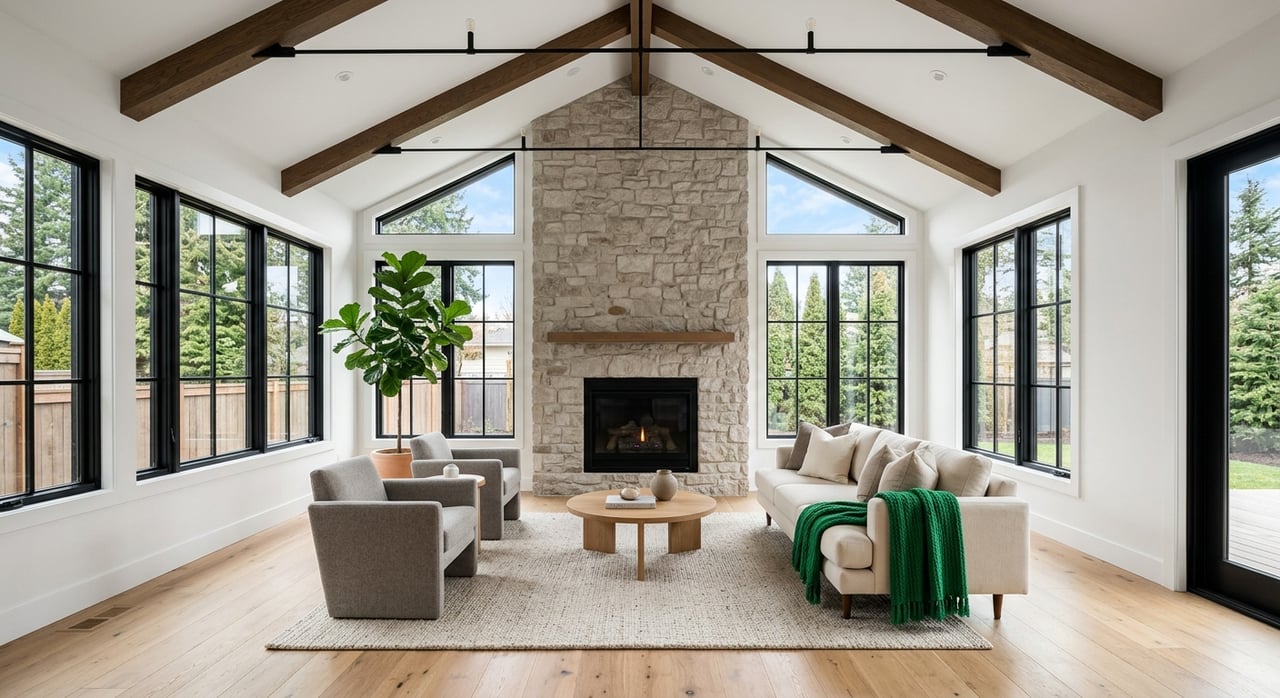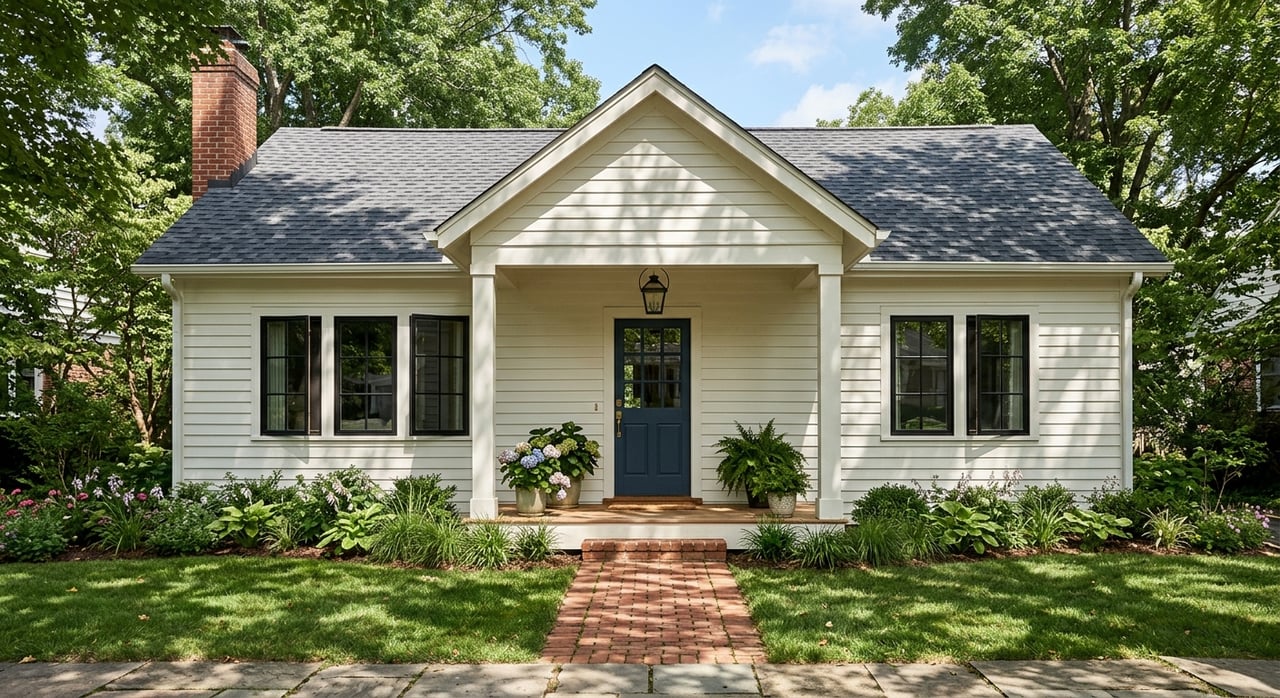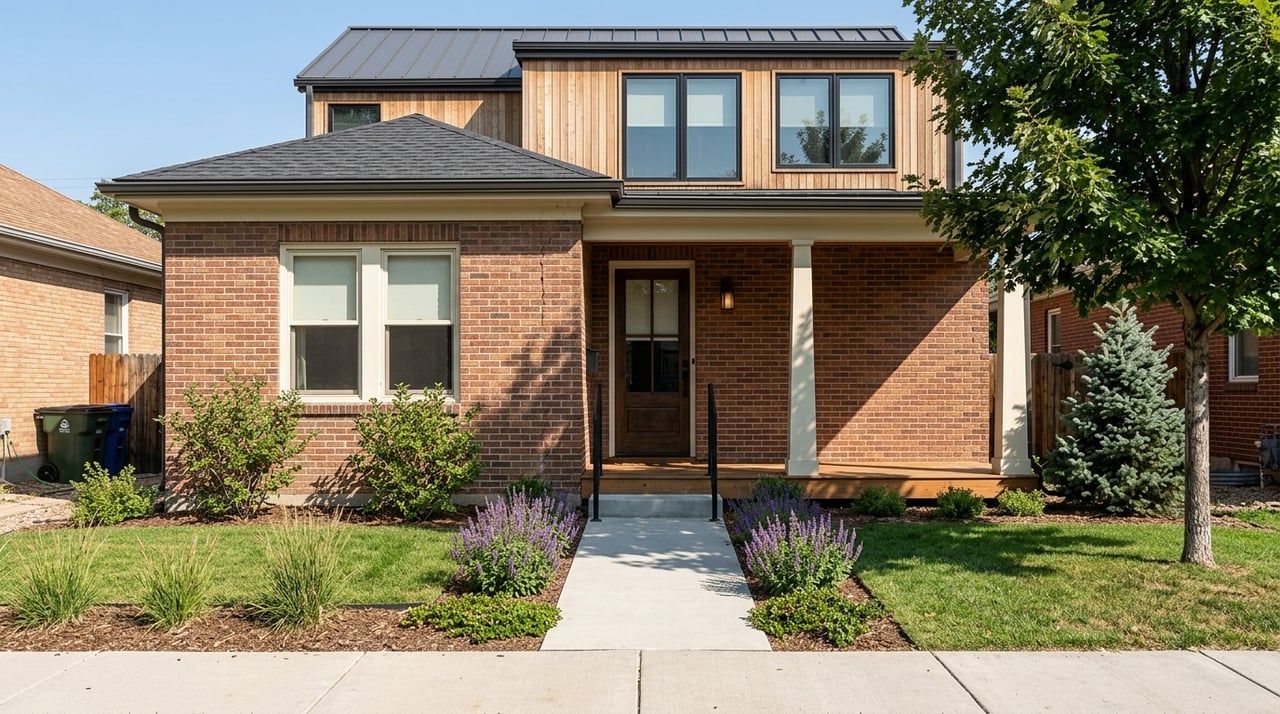
Curious why one Platt Park house is priced like a starter home for the area while another on a nearby block pushes well into seven figures? In this neighborhood, labels like bungalow, pop-top, scrape, and new build are more than real estate jargon. They shape how much space you get, how much work a home may need, and what kind of long-term value you may be buying into. If you are trying to make sense of Platt Park pricing or decide what type of home fits your goals, this breakdown will help you read the market more clearly. Let’s dive in.
Why housing type matters in Platt Park
Platt Park is a tight, in-demand Denver neighborhood bounded by Broadway, Downing, I-25, and Evans, with nearly 4,000 residences and businesses according to the neighborhood organization. Recent market trackers place it firmly in a high-price band, even if the exact number varies by source.
As of spring 2026, Redfin reported a median sale price of $880,000 over the prior three months, Zillow’s home value index for Platt Park was $838,032, and Realtor.com showed a median listing price of $925,000 and a median sold price of $868,250. The common thread is clear: demand is strong, supply is limited, and buyers are paying close attention to what each property actually offers.
That matters because Platt Park is not a neighborhood where all homes trade on location alone. Recent turnover was active enough to generate comparable sales, with Redfin reporting 32 sales in April 2026 versus 29 a year earlier, but inventory is still limited enough that lot size, condition, layout, and finish level can swing value in a big way.
What a bungalow means here
In Denver planning documents, bungalows are generally Craftsman-era homes that are 1 to 1.5 stories tall with gabled roofs and open porches. In Platt Park, that usually means an early-1900s home with original character, modest room sizes, and value that depends heavily on how well it has been maintained or updated.
For buyers, the appeal is easy to understand. You often get a charming exterior, mature streetscape, and a lower entry point than you would with larger renovated homes or new construction. At the same time, you may be trading off square footage, storage, ceiling height, or modern flow.
Recent sales show how wide the range can be. A 1925 bungalow on South Lincoln sold for $638,500 at 1,620 square feet, while another 1925 bungalow on South Sherman sold for $964,739 at 2,033 square feet. A 1926 bungalow on South Lincoln sold for $885,000 after updates that included newer windows and HVAC.
The lesson is simple: in Platt Park, “bungalow” does not tell you enough by itself. You still need to look at usable space, system updates, renovation quality, and how well the home functions for your daily life.
How pop-tops change the math
A pop-top is a full second-story addition to an existing single-story home. In practice, it is a way to expand up instead of out, which helps preserve the original footprint and yard.
In Platt Park, pop-tops often appeal to buyers who want an established block and older-home character but need more practical space. That can mean more bedrooms, a larger primary suite, or a layout that feels closer to newer construction without giving up the location.
This category often sits in the middle of the market. One explicit pop-top at 1885 South Logan sold for $885,000, while a 1911 Craftsman at 1824 South Washington sold for $1,000,000 after a full 2024 to 2025 restoration that delivered a new-construction feel while keeping the historic shell.
That middle-ground positioning is why pop-tops can be so important in Platt Park. They often give you more functional living space than an original bungalow, without the price jump that can come with a fully custom new build.
What buyers should watch for in pop-tops
Not every addition delivers the same value. In this segment, buyers should pay close attention to:
- How well the old and new portions of the house connect
- Whether the floor plan feels natural or forced
- The quality of finishes and workmanship
- Bedroom and bath count relative to price
- Yard usability after the renovation
A pop-top can be a smart fit if you want a balance of location, character, and livable space. The key is making sure the execution matches the asking price.
What “scrape” really means
In Denver, a scrape or scrape-off usually means an older house is purchased to be torn down and replaced with new construction. It is local shorthand, but the decision behind it is significant because it shifts the value story from the existing home to the land and what can be built on it.
For many buyers, scrapes and new builds represent the most turnkey option. You are often getting a more efficient layout, newer systems, and less near-term maintenance. You are also usually paying the highest entry price in the neighborhood.
Recent Platt Park examples show how broad that top end can be. A 2022 custom new build at 1641 South Corona sold for $2.65 million on a double lot, a 2026-built home at 2186 South Sherman is listed at $1.13 million, and a 6,007-square-foot new-construction listing at 1847 South Clarkson is priced at $3.075 million.
That is a big range, but the pattern is consistent. The highest prices tend to track with larger lots, more usable square footage, and a higher finish level, not simply the fact that the home is new.
What sellers should know about scrapes
If you own an older home in Platt Park, the possibility of a scrape can affect how buyers view your property. Some buyers will value the existing home for its character or move-in condition, while others may be looking primarily at lot utility and redevelopment potential.
That is one reason pricing strategy matters so much here. A data-backed approach can help you understand whether your home is likely to compete as a bungalow, as a renovated home, or as a land play for a future build.
Permits and preservation can affect timelines
In Denver, full or partial demolition requires permits. If a property is a designated landmark or sits in a historic district, additional preservation review may apply.
According to the city, total-demolition approvals typically take about 50 to 60 days. Landmark review can add time and may even block demolition if the property appears eligible for designation.
For buyers thinking about a future addition or teardown, that means timing and certainty are not always straightforward. For sellers, it means redevelopment value is real, but it is not automatic on every parcel.
Price bands buyers are seeing now
The recent examples reviewed in Platt Park show a useful framework for understanding the market:
- Entry bungalow or lighter remodel: about $638,500 to $964,739
- Pop-top or like-new older home: about $885,000 to $1,000,000
- New build or scrape: about $1.13 million to $3.075 million
These are not fixed tiers. They are better understood as overlapping bands where price moves with square footage, lot quality, condition, and finish level.
That overlap is why two homes with similar addresses on paper can feel so different in value. In Platt Park, original construction date matters less than how much functional space and finish quality you are actually getting on that piece of land.
How to decide which option fits you
If you are buying in Platt Park, the right category depends less on the label and more on your priorities. A bungalow may work well if you value character and can accept a smaller footprint. A pop-top may fit if you want more space without leaving the older fabric of the neighborhood. A new build may make sense if you want modern layout and lower maintenance from day one.
If you are selling, the same logic applies in reverse. Your best strategy depends on whether buyers are most likely to value your home as-is, respond to targeted improvements, or see the lot as the main draw.
That is where a more analytical approach can help. In a neighborhood with this much variation, broad averages only tell part of the story. The stronger answer usually comes from matching your specific block, lot, home condition, and competition to the right pricing and marketing strategy.
For sellers who are weighing updates before listing, targeted prep can also change how your home competes within its category. When the goal is to improve presentation, reduce buyer objections, and protect your net proceeds, a coordinated pre-listing plan can make a meaningful difference.
If you want help evaluating where your home fits in the Platt Park market, or you are trying to compare bungalows, pop-tops, and new builds with real numbers behind the decision, Nick Crothers can help you build a clear strategy.
FAQs
What is a bungalow in Platt Park?
- In Platt Park, a bungalow usually refers to an early-1900s Craftsman-era home with 1 to 1.5 stories, a gabled roof, and often an open porch, with value tied closely to condition and updates.
What is a pop-top home in Platt Park?
- A pop-top is an older single-story house that has had a full second-story addition, creating more living space while generally keeping the original footprint and yard.
What does scrape mean in Platt Park real estate?
- In Platt Park, a scrape usually means an older home is purchased to be demolished and replaced with new construction, making land value and redevelopment potential a major part of the pricing story.
What do new builds cost in Platt Park?
- Based on recent examples in the research, Platt Park new builds ranged from about $1.13 million to $3.075 million, with pricing driven by lot size, square footage, and finish level.
Why do Platt Park bungalow prices vary so much?
- Prices can vary widely because buyers are weighing size, updates, layout, systems, lot quality, and finish level, not just the age or style of the home.
Do demolition rules affect Platt Park property value?
- They can, because Denver requires demolition permits and some properties may face added review if they are designated landmarks or located in historic districts.