If you are trying to choose between Old Town Louisville and one of Louisville’s newer developments, you are really choosing between two different ways of living. One offers historic scale, a close connection to downtown, and a compact street pattern. The other tends to offer newer construction, more interior flexibility, and a more planned amenity layout. This guide will help you compare the tradeoffs so you can focus on the part of Louisville that fits your daily routine and home goals. Let’s dive in.
Old Town Louisville at a Glance
Old Town Louisville is the city’s historic residential neighborhood surrounding downtown. The city describes this area as having diverse architecture and unique appeal, with downtown serving as Louisville’s cultural and entertainment hub.
Downtown itself is an 8-block, pedestrian-focused mixed-use center. In practical terms, that means restaurants, coffee shops, boutique retail, office space, and recurring public events are all packed into a compact area. If you want a home base that keeps you close to that daily rhythm, Old Town usually stands out.
What gives Old Town its identity
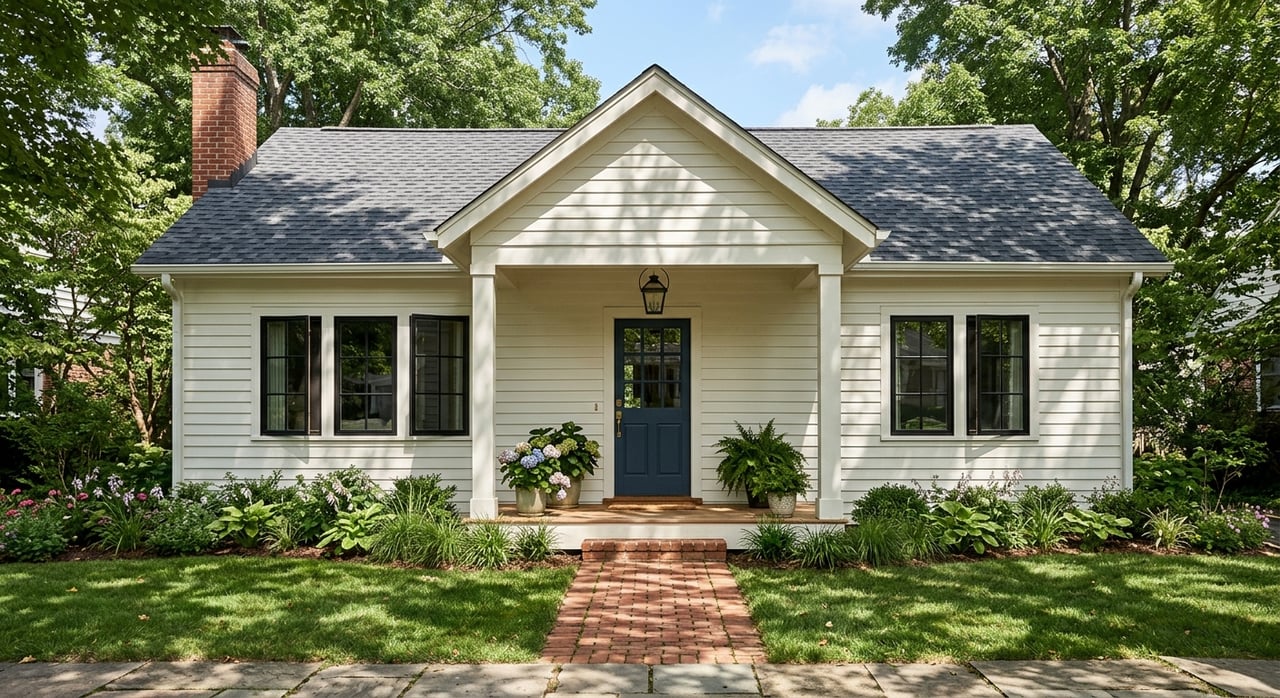
A big part of Old Town’s appeal comes from its older housing forms and tighter lot pattern. City documents describe classic cottages as modest one- to one-and-one-half-story homes with features like hipped roofs, flared eaves, central dormers, and front porches.
Many of these homes sit closer to the sidewalk, and more than half of Old Town lots are smaller than the 7,000-square-foot minimum in current regulations. That compact layout shapes the feel of the neighborhood just as much as the architecture does.
What newer Louisville developments include
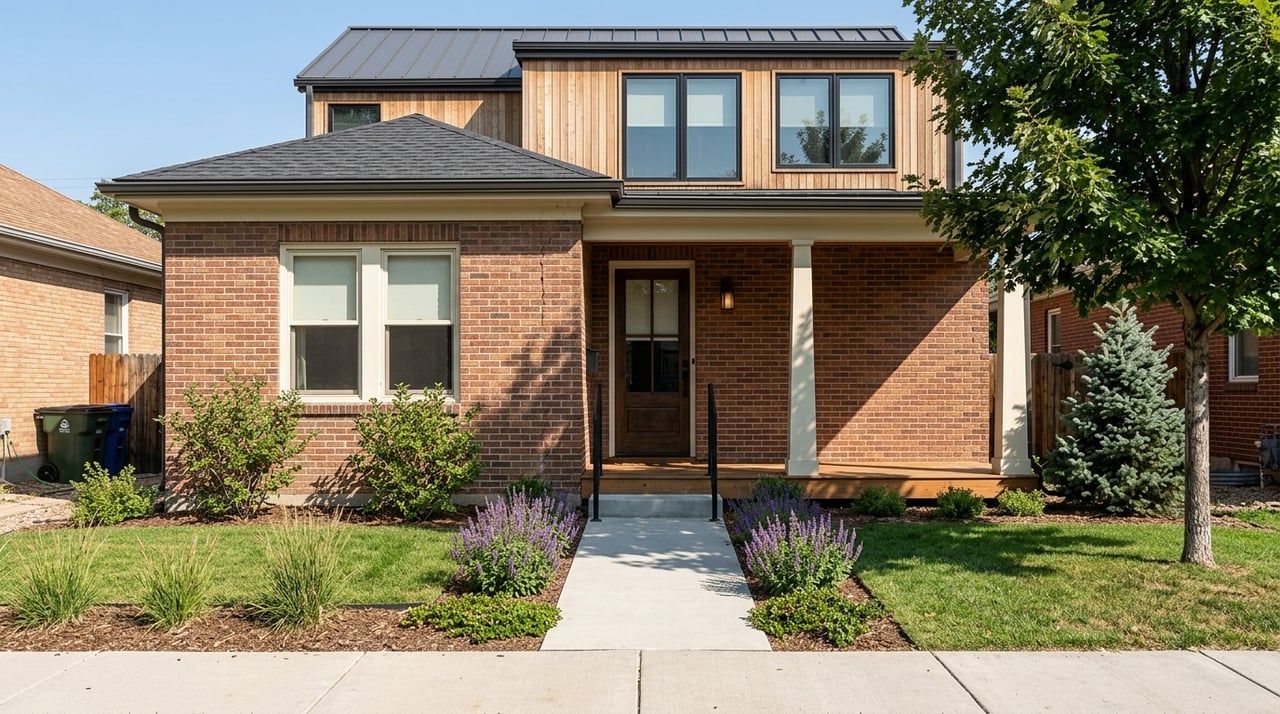
Newer development in Louisville is not one single style or neighborhood format. City materials point to a mix of new subdivisions, infill projects, planned communities, rebuild areas, townhomes, and multifamily housing.
Examples mentioned by the city include Steel Ranch, Cornerstone subdivision regulations, and Kestrel, which the city identifies as its newest affordable housing development. That variety matters because “newer Louisville” can mean different housing types depending on where you look.
How newer housing usually feels
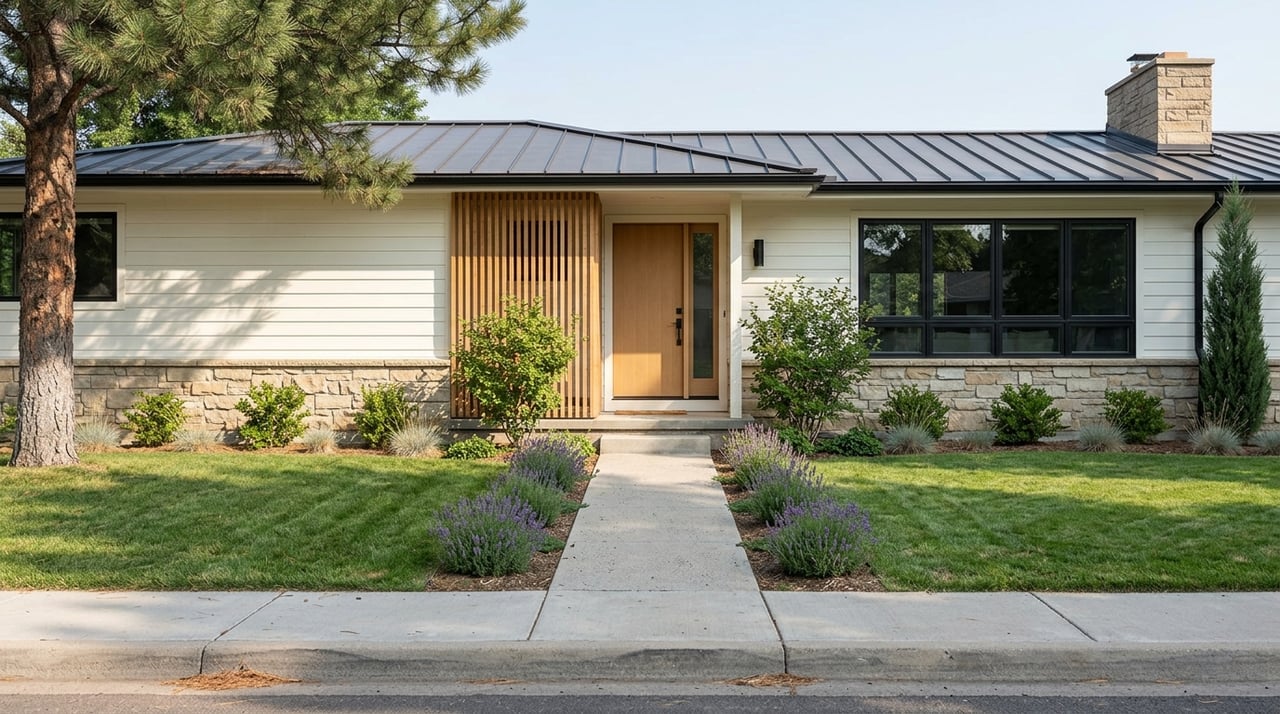
Compared with Old Town, newer homes in Louisville often allow more contemporary massing and site planning. The city’s residential context report notes that New Traditional homes in recent subdivisions are generally larger than historic homes and often use newer, more uniform exterior materials.
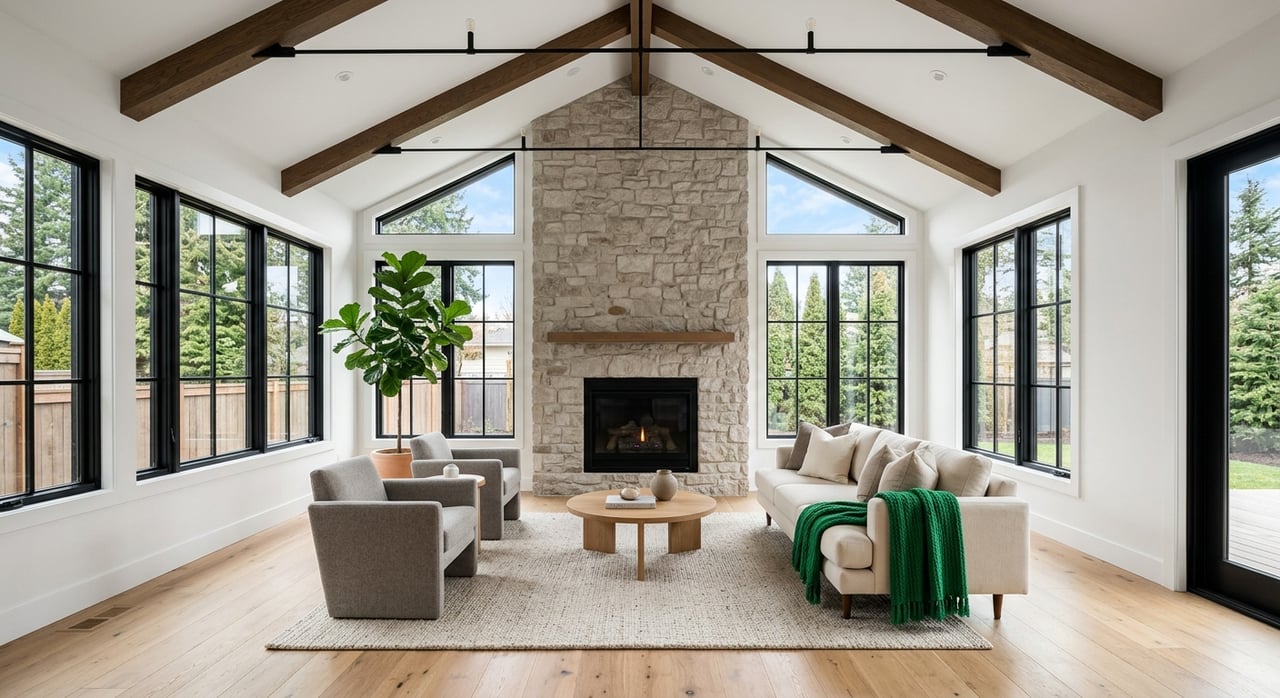
Cornerstone regulations also allow a 35-foot maximum height, with no maximum lot coverage listed in the subdivision summary. In broader terms, that points to more room for modern layouts, larger footprints, and a less compressed street rhythm than you typically find in Old Town.
Old Town versus newer homes
The easiest way to compare these areas is to look at what the homes and lots are designed to do. Old Town tends to preserve a smaller-scale historic pattern. Newer developments tend to make more room for updated floor plans and a wider range of housing formats.
| Feature | Old Town Louisville | Newer Louisville Developments |
|---|---|---|
| General character | Historic residential area around downtown | Mix of newer subdivisions, infill, townhomes, and planned communities |
| Typical home scale | Modest detached homes, cottages, bungalows | Often larger homes, attached homes, patio homes, townhomes, flats, and some multifamily |
| Lot pattern | Compact lots, many homes closer to the sidewalk | More spacing around homes in many areas |
| Height framework | Old Town overlay caps principal building height at 27 feet | Some newer subdivision rules allow up to 35 feet |
| Overall feel | Historic, close-knit, walkable core | More contemporary, flexible, and amenity-oriented |
Old Town rules shape the streetscape
Old Town has overlay rules that reinforce its lower-profile character. The city caps principal building height at 27 feet, requires hip or ridge roof forms, sets a minimum 6:12 roof pitch, and limits lot coverage to 40 percent on lots under 4,000 square feet.
Those standards are not just technical details. They help maintain the street-level character and architectural integrity that many buyers associate with Old Town. The city also created preservation incentives to support keeping or restoring historic facades rather than replacing them with much larger homes.
Newer areas offer more format flexibility
In newer parts of Louisville, development patterns usually create more flexibility for interior space and layout. Steel Ranch concept materials show a range of housing types, including one- to two-story attached or detached homes, patio homes, and townhomes or flats.
That does not mean every newer neighborhood feels the same. It does mean buyers often have more options if they want newer construction, a more contemporary footprint, or a site plan with more breathing room around the home.
Daily life in Old Town
For many buyers, Old Town’s biggest advantage is convenience on foot. Downtown Louisville’s pedestrian-focused block structure brings together dining, coffee, retail, offices, and seasonal events in one compact center.
The city highlights events like the Louisville Farmers Market and Friday Night Street Faire at Steinbaugh Pavilion. When you live nearby, it can be easier to build social time, errands, and casual outings into your regular week without relying on a longer drive.
Trails and outdoor access near Old Town
Old Town is also connected to Louisville’s broader outdoor network. The city maintains roughly 32 miles of trails that link open spaces to residential neighborhoods and commercial areas.
In Old Town, outdoor access often feels like an extension of the downtown-and-neighborhood pattern. You may be heading to nearby parks, open space connections, or regional routes like Coal Creek Trail rather than relying on a subdivision-centered amenity setup.
Daily life in newer developments
Newer Louisville neighborhoods often feel more planned around built-in amenities. According to city materials, Kestrel was designed with bike-trail access, commercial services, transit along South Boulder Road, a community center, multiple parks, and community garden plots.
Steel Ranch also has its own park, and Bullhead Gulch Open Space has access points near the Steel Ranch area. For some buyers, that kind of park-centered routine feels more practical than living close to the historic core.
What that means for your routine
If your ideal day includes stepping out to downtown coffee shops, community events, and a compact commercial core, Old Town may line up better. If you prefer a newer home with nearby parks, trail access, and neighborhood amenities built into the broader plan, a newer development may feel like a better match.
Neither option is automatically better. They simply support different priorities and rhythms.
What buyers are really choosing
At a high level, Old Town is usually a stronger fit if you value historic character, smaller-lot scale, homes closer to the sidewalk, and immediate access to downtown Louisville’s activity. The tradeoff is that preservation rules and compact lots can create a tighter envelope for additions, replacements, and exterior changes.
Newer developments are usually a stronger fit if your priority is more interior space, newer construction, more contemporary materials, and a site plan with more room around the house. The tradeoff is that these neighborhoods often feel less historic and less naturally walk-to-everything than Old Town.
A simple way to frame the decision
A fair summary is this: Old Town offers place identity, while newer Louisville offers format flexibility. If your decision feels difficult, that is often because both options have real strengths.
The right choice usually comes down to how you want your home to function day to day. Your preferred lot size, home style, walkability needs, and comfort with design restrictions all matter more than broad labels like “old” or “new.”
How to compare homes more clearly
When you tour homes in Louisville, it helps to compare them with a short list of practical questions:
- How important is walkable access to downtown businesses and events?
- Do you prefer historic character or newer construction?
- How much interior space do you want relative to lot size?
- Would stricter design and preservation rules feel limiting or reassuring?
- Do you want a compact neighborhood pattern or a more spaced-out site plan?
- Are parks and planned neighborhood amenities a major priority?
If you answer those questions honestly, the right area often becomes much easier to spot.
For buyers moving within Boulder County or relocating from outside the area, this kind of side-by-side comparison can save time and keep you focused. Louisville has strong appeal in both its historic core and its newer housing pockets, but the best fit depends on the lifestyle you want your home to support.
If you want help comparing specific Louisville homes, neighborhoods, or tradeoffs, Nick Crothers can help you evaluate the options with a clear, data-informed strategy.
FAQs
What is the difference between Old Town Louisville and newer Louisville developments?
- Old Town Louisville centers on historic homes, compact lots, and close access to downtown, while newer Louisville developments include a mix of newer subdivisions, infill, townhomes, and planned communities that often offer more space and contemporary layouts.
Is Old Town Louisville more walkable than newer developments?
- Old Town generally offers more immediate access to Louisville’s pedestrian-focused downtown core, including shops, coffee, dining, and events, while newer developments may be more oriented around parks, trails, and neighborhood amenities.
Are homes in Old Town Louisville usually smaller?
- City materials describe Old Town housing as modest in scale, with classic cottages, bungalows, and other smaller detached homes on compact lots, while newer homes in recent subdivisions are often larger.
Do newer Louisville neighborhoods have more amenities?
- Some newer neighborhoods are designed with built-in amenities such as parks, trail access, community spaces, transit access, and garden plots, as shown in city materials for areas like Kestrel and Steel Ranch.
What should buyers consider when choosing between Old Town and newer Louisville homes?
- Buyers should compare daily routine, desired home size, lot pattern, walkability, access to parks and trails, and whether historic design rules or newer development flexibility better fit their goals.