If you have ever wondered why two Boulder homes with similar square footage can get very different buyer reactions, the answer often starts with style. In Boulder, architecture shapes first impressions, but buyers also care about how a home lives day to day, how updated it feels, and how easy it is to adapt to modern needs. Understanding that mix can help you buy smarter or position your home more effectively if you plan to sell. Let’s dive in.
Why home style matters in Boulder
Boulder is not a one-note housing market. The city reports about 47,847 housing units, with a 55% renter share and an owner-occupied housing rate of 47.2%. It also has a relatively young population, with a median age of 28.6, and 48% of residents are between 18 and 35.
Those numbers matter because buyer demand often reflects how people actually live. In a market where 28% of residents regularly work from home, buyers tend to notice layout, natural light, flexible space, and indoor-outdoor flow just as much as architectural style.
Current market snapshots also suggest that presentation still matters. Boulder homes are selling in about 49 to 50 days on market, with about 2 offers on average and a sale-to-list ratio around 99%. Boulder County data also shows that nearly a quarter of homes sold above list in May 2026, which tells you that well-positioned homes can still stand out.
Boulder style meets buyer priorities
In Boulder, style usually drives the first click and the first showing. Condition and function often decide whether a buyer wants to write an offer.
Across several home styles, the same themes keep showing up. Buyers respond to natural light, flexible layouts, main-level living, outdoor connection, garage or storage space, and move-in-ready condition. If a home delivers those features, its style becomes an asset instead of a limitation.
Mid-century ranches draw steady interest
Mid-century ranches remain one of Boulder’s most recognizable home types. The city’s post-war survey notes that the Simple Ranch was the most common housing type of the 1950s and stayed dominant into the early 1960s.
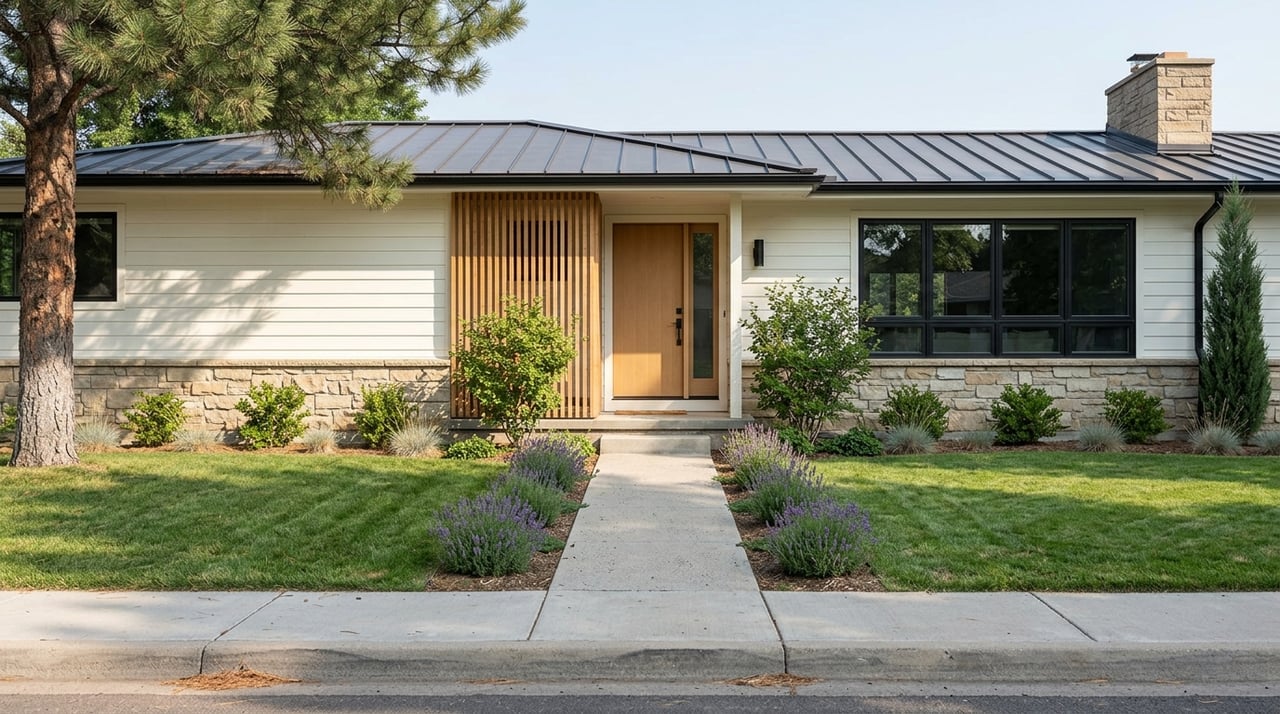
These homes are easy to spot. They often feature low horizontal lines, large picture windows, attached carports or garages, low-pitched roofs, and deep overhanging eaves.
From a buyer’s perspective, ranches tend to check several practical boxes at once. Main-level living, simpler circulation, and yards that may allow outdoor expansion or future remodeling all make them appealing. That helps explain why one-level living remains a visible segment in Boulder.
Current market snapshots reinforce that point. Ranch-style inventory appears limited, while a broader single-story search shows 228 Boulder listings at a median listing price of $910,000. That is not a pure ranch count, but it does suggest buyers are still paying attention to homes that offer easier daily living on one level.
What buyers like about ranch homes
- Main-level living
- Large windows and natural light
- Straightforward layouts
- Outdoor space with room to improve
- Remodel potential without losing original character
For sellers, this means an updated ranch can perform especially well when it combines clean design with practical upgrades. Buyers usually want the charm of the original structure, but they also want kitchens, baths, and finishes that feel current.
Bungalows attract buyers who want character
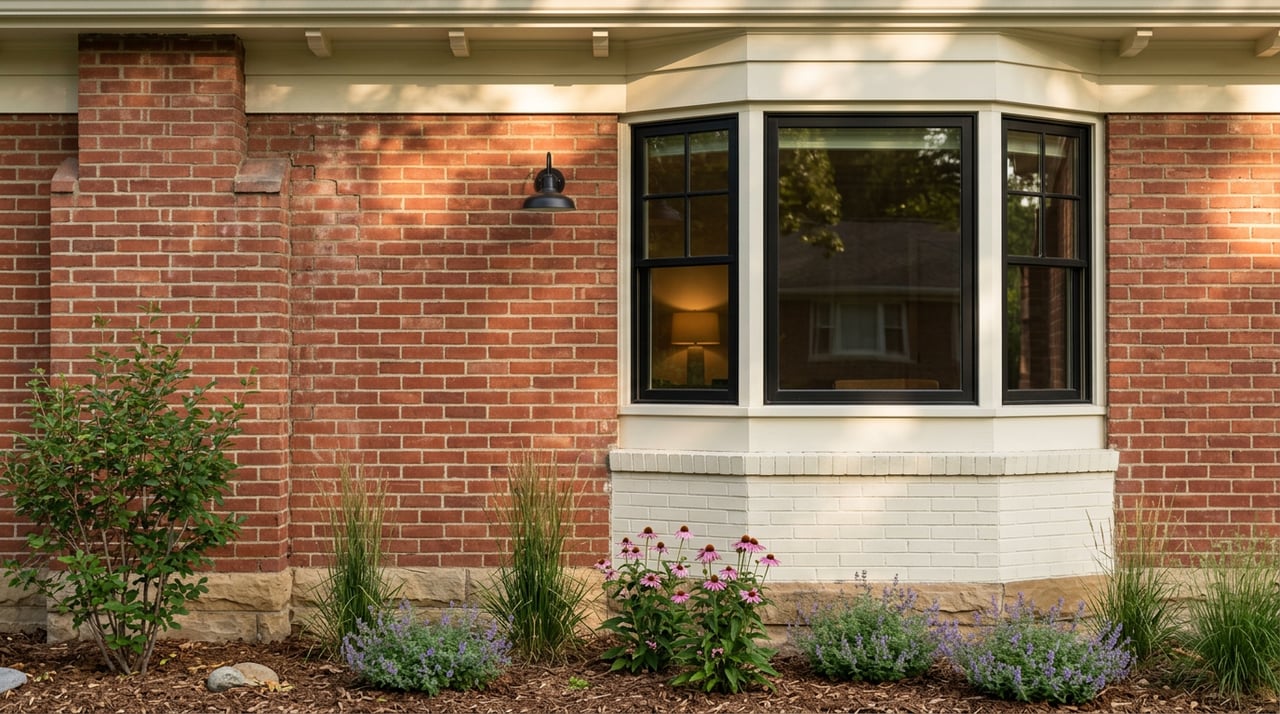
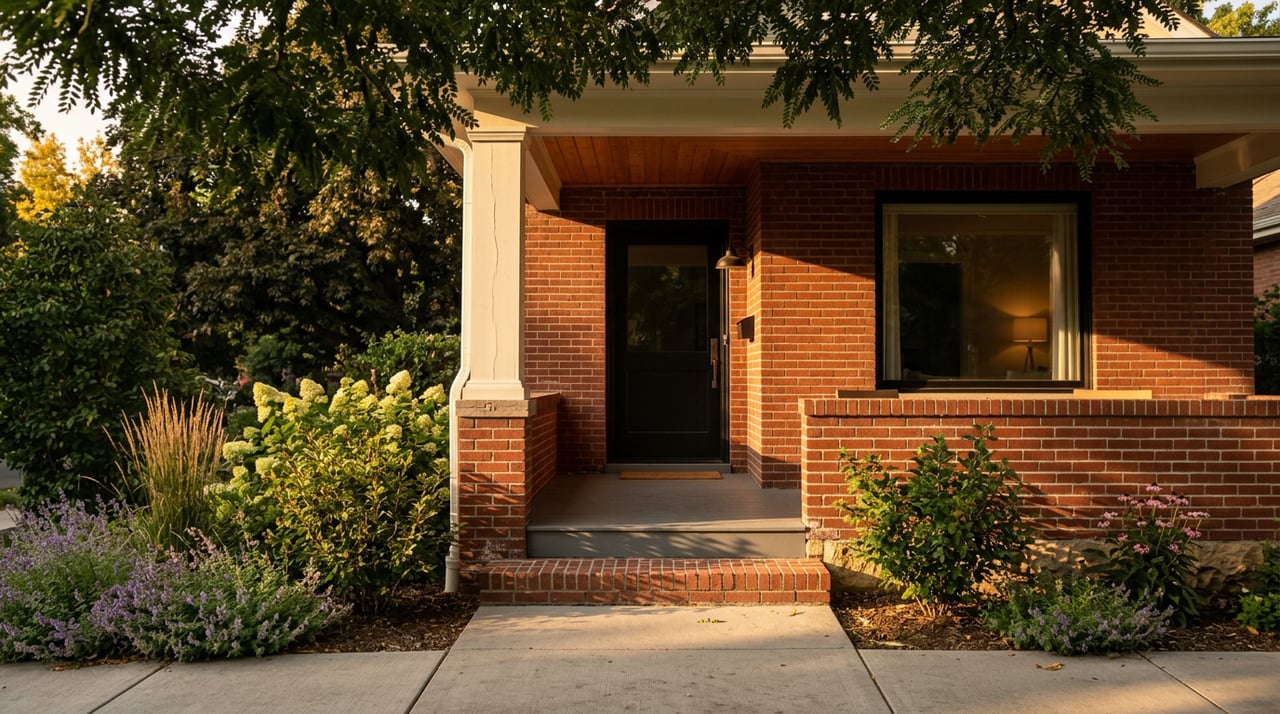
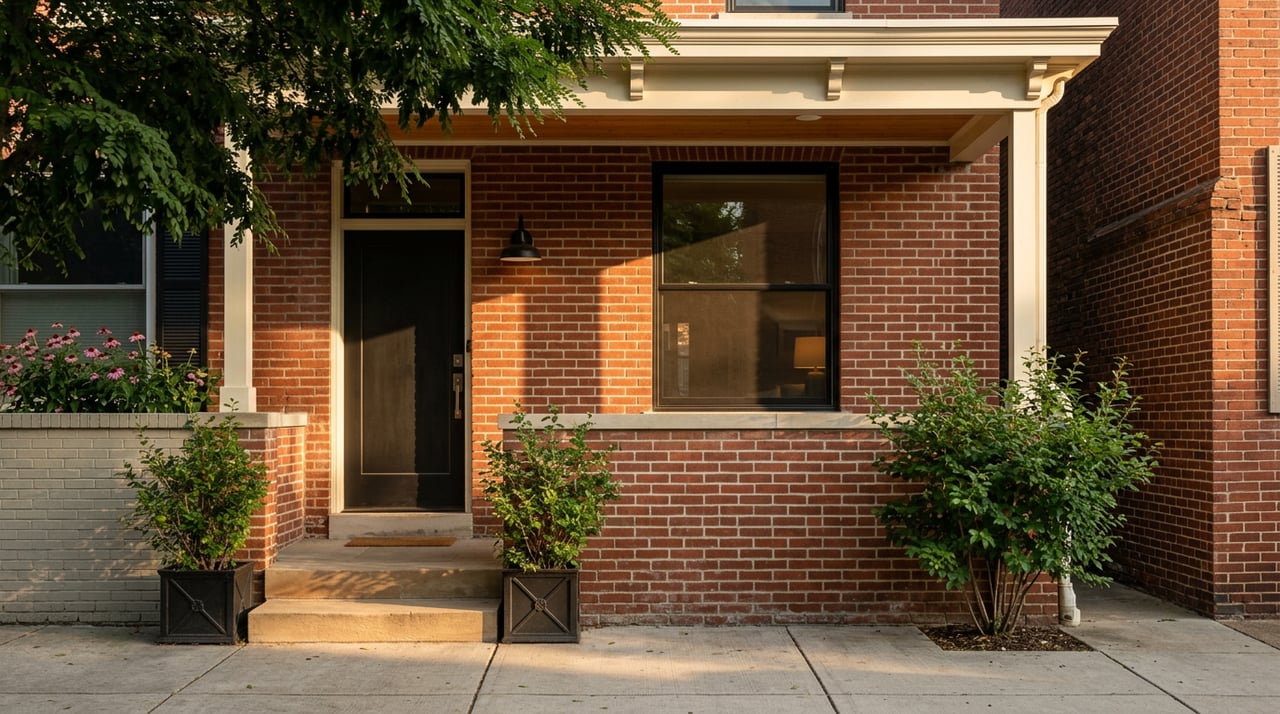
Classic bungalows offer a very different kind of appeal. Boulder design guidelines describe bungalows as modest one- to one-and-a-half-story homes with covered porches, low overhanging roofs, and substantial building elements.
These homes often create an immediate emotional response. Buyers who love older homes are usually drawn to architectural detail, scale, and the sense of place that comes with established blocks and older housing stock.
But in Boulder, charm comes with an important layer of context. The city has 10 historic districts and more than 1,300 designated properties. Exterior changes to landmarks, properties in historic districts, or non-designated buildings over 50 years old can require review.
That does not make older homes less desirable. It simply means buyers often weigh character against renovation flexibility, timeline, and maintenance needs.
Why some bungalows perform better than others
Bungalows tend to show strongest buyer response when original charm is paired with smart updates. In practical terms, that often means:
- Updated kitchens and bathrooms
- Improved windows and major systems
- Well-maintained exterior features
- Preserved architectural details
- A layout that feels functional for modern living
If you are selling a bungalow, thoughtful preparation can matter a lot. When buyers see preserved character and fewer obvious projects, the home often feels more approachable and more worth the price.
Contemporary homes often command a premium
Boulder has a long connection to contemporary design. The city notes that a 1959 house on Euclid is one of its earliest examples of contemporary architecture, and local guidelines define modern architecture by flat roofs, smooth wall surfaces, and minimal non-functional decoration.
Today, contemporary and newer homes often line up with what many buyers already want. Open layouts, large kitchens, strong natural light, and seamless indoor-outdoor living fit current demand patterns well.
Scarcity also helps this segment. Current new-home inventory in Boulder sits at 39 listings, with a median list price of about $910,000. When move-in-ready contemporary homes hit the market, buyers may pay a premium because they do not need to budget for immediate updates.
A recent Boulder home-features study also found that modern luxury, large backyards, roof decks, large kitchens, and stone patios were among the features with the highest sale-to-list ratios in winter 2025. That pattern suggests buyers are not just paying for a modern look. They are responding to homes that feel bright, functional, and ready for how they live now.
Features that support contemporary demand
- Open and flexible floor plans
- Large kitchens
- Roof decks or usable outdoor areas
- Big windows and light-filled interiors
- Turnkey condition
For buyers, these homes can offer convenience and less immediate work. For sellers, the lesson is simple: design is helpful, but usability and finish quality are what often protect pricing power.
Townhomes offer convenience and access
Not every Boulder buyer is looking for a detached home. Townhomes and attached homes fill an important role in the market, especially for buyers focused on convenience, lower upkeep, and a more accessible price point relative to detached options.
The city notes that attached condos and apartments are more affordable than detached homes. Current market snapshots show 62 townhouses for sale at a median listing price of $789,000, compared with 156 condos at $475,000. Both segments are taking roughly 69 to 73 days on market.
Townhomes often appeal to buyers who value location and lifestyle over lot size. In Boulder, listing themes commonly highlight low-maintenance living, storage, enclosed patios, updated kitchens, and access to daily amenities or trails.
Why buyers choose townhomes
- Lower maintenance than many detached homes
- More affordable entry point than some single-family options
- Functional layouts
- Outdoor space without a large yard to maintain
- Storage and convenience
That does not mean every townhome gets the same level of demand. Just like detached homes, the strongest buyer response usually goes to properties with updated interiors, good light, and practical everyday function.
Historic rules can affect demand
For older Boulder homes, buyer demand is shaped by more than architecture alone. The city’s preservation framework is an important part of the equation.
Boulder’s planning system is designed to protect neighborhood character and the mix of housing types. Historic preservation adds another level of review for many older homes, especially landmarks, homes in historic districts, and many buildings over 50 years old.
For buyers, this can be either a plus or a constraint. Some people value the protection of architectural character and consistency. Others are more cautious if they expect to make major exterior changes.
For sellers, clear preparation matters. If your home has preservation-related considerations, buyers often respond better when expectations are set early and the property’s strengths are clearly framed.
The features buyers keep repeating
While style matters, Boulder buyers tend to reward homes that solve real lifestyle needs. Across ranches, bungalows, contemporary homes, and townhomes, the same features show up again and again.
Here are the signals that appear to support stronger buyer response in Boulder:
- Natural light
- Open or flexible layouts
- Main-level living
- Indoor-outdoor connection
- Garage parking or useful storage
- Large kitchens
- Stone patios, decks, or usable outdoor areas
- Move-in-ready condition
- Bonus space for a home office or work-from-home setup
Because so many Boulder residents work from home, flexible space carries extra weight. A bonus room, office nook, or secondary living area may help buyers picture themselves in the home more easily.
What this means if you plan to sell
If you are selling in Boulder, your home style should shape your strategy, not limit it. A ranch should lean into ease of living and expansion potential. A bungalow should highlight character while reducing renovation concerns. A contemporary home should emphasize light, flow, and turnkey function. A townhome should focus on convenience, storage, and low-maintenance living.
The key is matching your home’s strengths to what buyers already value. That often means smart preparation, pricing that reflects condition as well as style, and marketing that explains why the property fits today’s Boulder buyer.
If your home needs updates before listing, a focused pre-sale improvement plan can also help close the gap between architectural appeal and buyer expectations. In many cases, the best results come from improving the features buyers notice most first.
What this means if you plan to buy
If you are buying in Boulder, style can help you narrow your search, but it should not be the only filter. A charming bungalow may come with added review considerations. A ranch may offer easier long-term living and renovation upside. A contemporary home may reduce near-term work but come at a premium. A townhome may offer a practical entry point with less upkeep.
The better question is not just, "Which style do I like?" It is, "Which style gives me the best mix of function, flexibility, and value for how I want to live?"
In a balanced market, that kind of clarity can help you move faster when the right home appears. It can also keep you from overpaying for style alone when condition and layout tell a different story.
Boulder buyers consistently respond to homes that blend local character with everyday usability. If you want help reading those signals, pricing a home for today’s market, or planning updates before you list, Nick Crothers can help you build a smart strategy around what Boulder buyers are actually looking for.
FAQs
How do Boulder home styles affect buyer demand?
- In Boulder, style often shapes first impressions, but buyers usually make decisions based on condition, layout, natural light, outdoor connection, and move-in readiness.
Are ranch-style homes popular with Boulder buyers?
- Yes. Ranch and single-story homes remain relevant because buyers often value main-level living, easier circulation, and outdoor space that supports future improvements.
Do historic preservation rules matter for older Boulder homes?
- Yes. In Boulder, landmarks, homes in historic districts, and many buildings over 50 years old may require review for exterior changes, which can affect buyer interest and renovation planning.
Are townhomes usually a lower-price option in Boulder?
- Generally, yes relative to detached homes. Current snapshots show Boulder townhomes at a median listing price of $789,000 and condos at $475,000, making attached housing an important option for many buyers.
What home features do Boulder buyers seem to value most?
- Buyers appear to respond most to natural light, flexible layouts, main-level living, large kitchens, outdoor living areas, storage, and move-in-ready condition.
Why do contemporary homes often sell well in Boulder?
- Contemporary homes often align with current buyer preferences for open design, light-filled interiors, and turnkey function, and that demand can be amplified because newer inventory is limited.