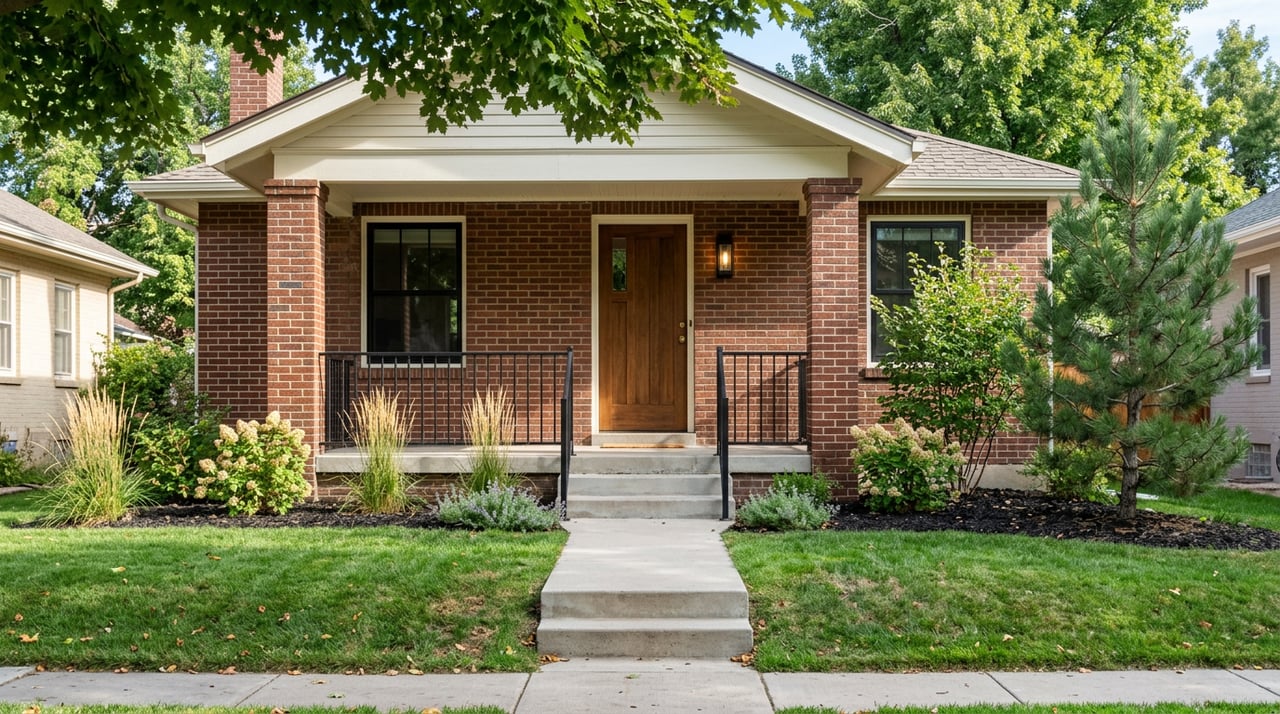
Thinking about selling your Congress Park home but not sure if you should refresh it or list it as is? You are not alone. Older Denver homes have character and quirks, and the right choice can add real dollars to your bottom line. In this guide, you will learn what pays off, what to skip, how 7th Avenue Historic District rules affect your plan, and a simple path to a clear decision. Let’s dive in.
Congress Park reality check
Congress Park and the East 7th Avenue Historic District are packed with early 1900s homes, from Craftsman bungalows to Denver Squares. That charm often comes with original finishes and aging systems. The district’s history and architecture are well documented, which helps explain the neighborhood’s unique look and wide value range. You can read more about the area’s significance through the Denver Public Library’s overview of the East 7th Avenue Historic District.
Values vary block by block based on size, condition, and exact location. Large homes along the 7th Avenue parkway often sell for more than smaller bungalows on interior streets. Because of this spread, a current, address-specific CMA is essential before you spend on upgrades or price an as-is listing.
When a remodel pays off
If your home is mostly dated rather than broken, a targeted refresh is often the highest-return move. National cost-vs-value research shows that modest projects like a minor kitchen remodel, an updated entry door, and exterior touch-ups tend to return a high percentage of cost at resale. See the latest data in the Remodeling/Zonda report summarized by JLC’s Cost vs. Value 2025.
Staging and presentation also matter. In NAR’s 2025 staging snapshot, roughly 49% of listing agents said staging reduced time on market, and 29% saw a 1% to 10% boost in offers. You do not have to fully furnish every room to benefit. Strategic staging and professional photography can amplify a clean, neutral refresh. Review the 2025 Profile of Home Staging for context.
High-impact, low-disruption updates that often make sense in Congress Park include:
- Neutral interior paint and simple landscaping.
- Refinished floors or new carpet where needed.
- New lighting, hardware, and faucets that align with the home’s era.
- Minor kitchen updates like painted cabinets, new counters, and a backsplash.
- Minor bath updates like a new vanity, mirror, and lighting.
These projects photograph well, help buyers feel move-in ready, and usually finish within a few weeks.
When to sell as is
Selling as is makes sense when major repairs, long timelines, or the need for historic approvals outweigh expected price gains. Investor offers on as-is properties are often pegged to a percent of after-repair value. Industry guidance shows many as-is deals close around 65% to 85% of ARV depending on condition and market. Learn how that pricing works in this as-is sale overview.
If you choose the as-is route, get a pre-listing inspection and at least one contractor estimate for big-ticket items. Price the home using recent as-is comps, disclose known issues up front, and reflect likely repair costs in the list price. This reduces surprise renegotiations and keeps you in control.
Safety and lending items come first
Before you choose remodel or as is, isolate issues that can block financing or scare buyers. Older wiring, a failing roof, or a compromised sewer line can limit offers or collapse a deal.
- Electrical: Knob-and-tube rewiring and panel upgrades often run in the low to mid five figures depending on size and access. Learn typical ranges in Angi’s guide to knob-and-tube replacement costs.
- Sewer: Camera-scope first. Repairs can run from a few thousand to the low five figures based on trenching vs trenchless methods.
- Roof and structure: If the roof is failing or there is active movement or water intrusion, address it or price accordingly.
If a repair removes a financing barrier and the cost is reasonable relative to your expected price lift, it often pays to fix it so you can reach the full MLS buyer pool.
7th Avenue Historic District rules you cannot skip
If your home is within the local East 7th Avenue Historic District or is a designated landmark, exterior changes that require a building or zoning permit usually need a Certificate of Appropriateness before permits are issued. That review can add weeks or months, so plan early. See Denver’s step-by-step process to apply for Landmark design review.
Typical timing looks like this: many in-kind or small repairs are approved by staff in roughly 2 to 6 weeks after a complete application. Larger, more visible changes can require a Landmark Commission hearing, which can add several weeks to a few months. Interior-only work is generally not subject to design review unless the property has an interior designation.
You might also qualify for state historic rehabilitation income tax credits if your project follows the Secretary of the Interior’s Standards. Explore eligibility and timing on Denver’s page for state historic preservation tax credits. If curb appeal changes are core to your plan, weigh the value of those improvements against the added timeline before you list.
What projects cost and how long in Denver
Your numbers will depend on scope and finishes, but recent Denver contractor data provides helpful guardrails. A minor cosmetic kitchen refresh can land in the 10k to 30k range, while a mid-range kitchen remodel can run 30k to 125k or more and take 6 to 12 weeks once work starts. Window replacements often price per unit, and lead times vary by manufacturer. For a grounded overview of local costs and durations, review this Denver-focused remodel cost guide.
Interior painting is one of the best bang-for-buck projects and can be done quickly with a good crew. Whole-house interior paint often wraps in days to a couple of weeks depending on size. Planned right, a focused refresh plus staging can be completed within one month and positioned for a strong launch.
A simple decision path
Use this step-by-step to choose remodel or as is with confidence:
- Get a current CMA for your exact address. Values swing widely between blocks and house types in Congress Park and 7th Ave.
- Order a pre-listing inspection and a sewer scope. If you have health concerns or a finished basement, add a radon test. The Colorado Department of Public Health and Environment explains why testing matters in its radon FAQ.
- Separate must-fix safety and lending items from cosmetic items. If an issue can block financing and the repair is modest relative to expected price lift, strongly consider fixing it.
- Price out a light refresh. Prioritize paint, floors, lighting, hardware, and minor kitchen or bath updates. The Cost vs. Value 2025 data and the NAR staging snapshot both support strong returns on these targeted projects.
- If your home is in the local historic district and you want exterior upgrades that need permits, contact Landmark staff to confirm whether a COA is required and build that timeline into your market plan. Start with the city’s Landmark design review guide.
- Compare net outcomes. Model your likely sale price after a light refresh minus costs and carrying time, against an as-is list price informed by inspection findings and recent as-is comps.
- If you decide to sell as is, price transparently and disclose known issues. Reference an inspection report to reduce renegotiation risk and attract both investors and informed owner-occupants. For a primer on how buyers evaluate as-is properties, see this as-is sale guide.
How to get it done without cash up front
If a light refresh pencils out but you do not want to project-manage or pay before closing, the NCRE Refresh program can help. With NCRE Refresh, you can finance approved pre-listing improvements at closing, work from fixed bids, and use a vertically integrated remodel team with a transferable warranty. You also get coordinated staging, photography, and go-to-market prep so you can move fast without juggling vendors.
This approach aligns with what generally pays in Congress Park. You focus on high-impact cosmetics and safety items that open your buyer pool and protect your price, while avoiding big, custom remodels timed only for resale.
Ready to decide?
Whether you are in a cozy bungalow near Congress Park or a classic along the 7th Avenue parkway, the right plan balances ROI, timing, and rules. Start with safety and financing items, add only the updates that return value, and account for historic review before you commit to exterior work. If you want a clear, numbers-first plan and a streamlined path to market, connect with Nick Crothers to map your best move.
FAQs
What updates have the best ROI before selling in Congress Park?
- National data shows minor kitchen updates and modest exterior improvements often recoup a high share of cost, and staging commonly shortens time on market, which supports stronger offers.
How do 7th Avenue Historic District rules affect exterior updates?
- If your home is locally designated, exterior work that needs permits usually requires a Certificate of Appropriateness, which can add weeks or months, so engage Landmark staff early.
Which safety repairs should I handle before listing an older Denver home?
- Prioritize items that can block financing or scare buyers, such as knob-and-tube wiring, a failed roof, or a compromised sewer line, and repair them if the cost is reasonable relative to expected price lift.
How do investor as-is offers compare to listing on the MLS?
- Many as-is investor offers land around 65% to 85% of after-repair value depending on condition and market, while MLS sales to owner-occupants can be higher but may require credits or repairs.
How long do cosmetic updates usually take in Denver?
- Most light refreshes like paint, floors, lighting, and minor kitchen or bath updates can be planned and completed in 1 to 6 weeks depending on scope and contractor availability.
Do I need to consider radon testing when selling in Denver?
- Radon is common along the Front Range, and testing is recommended; mitigation is typically straightforward and priced in the low thousands if needed.
What if a past owner made unpermitted changes in a historic district?
- You can pursue retroactive approvals or adjust price and disclose; talk with Landmark staff to understand requirements and timelines before listing.