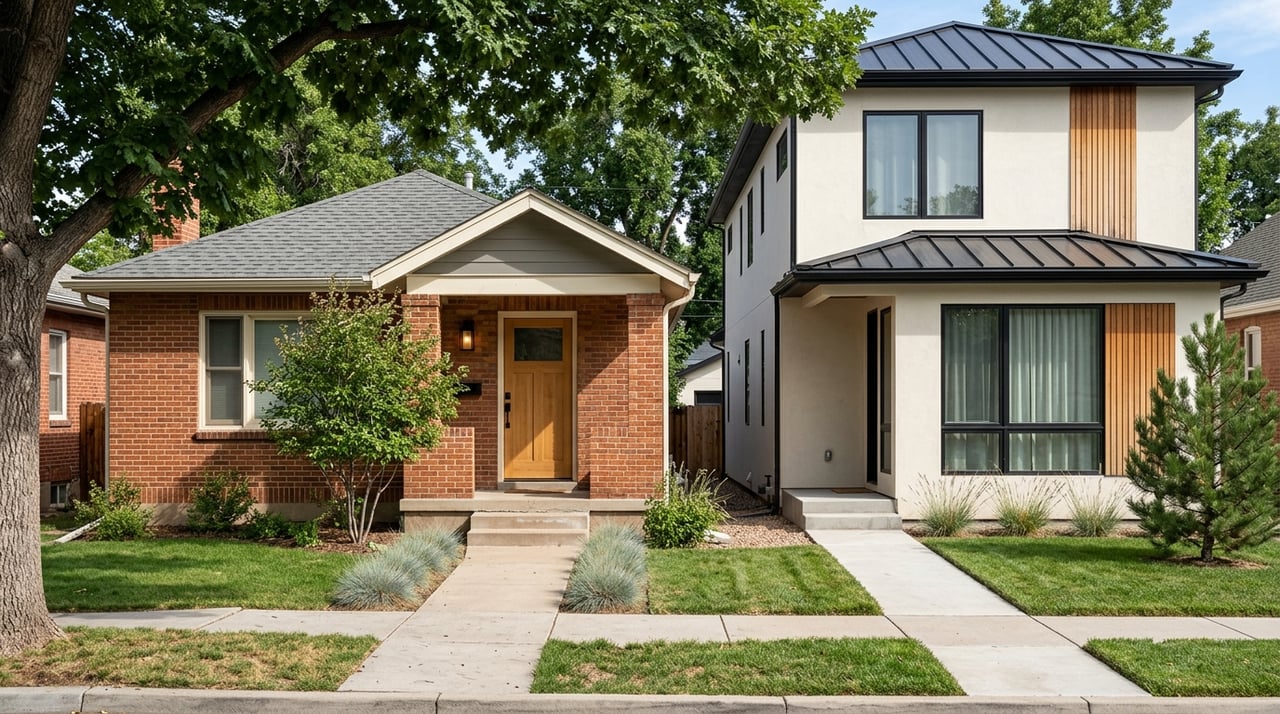
If you are torn between the charm of an older bungalow and the function of a newer infill home, Washington Park West gives you a real side-by-side comparison. This Denver neighborhood blends early 20th-century homes, later houses, and modern redevelopment on the same street grid, so the choice is rarely just about looks. When you understand how style, lot use, and layout affect daily life, you can make a smarter move with more confidence. Let’s dive in.
Why Washington Park West Feels Mixed
Washington Park West, also known formally as West Washington Park, runs from Broadway to Downing and from Speer Boulevard to I-25. The neighborhood grew south from Denver’s early settlement pattern in the 1880s, with steady construction through the turn of the 20th century.
That history still shows up in the housing stock today. Instead of one uniform style, you will see older homes, alley-style patterns in some areas, and newer infill sharing the same blocks. For buyers, that means you are often comparing very different living experiences within a tight area.
What Defines A Washington Park West Bungalow
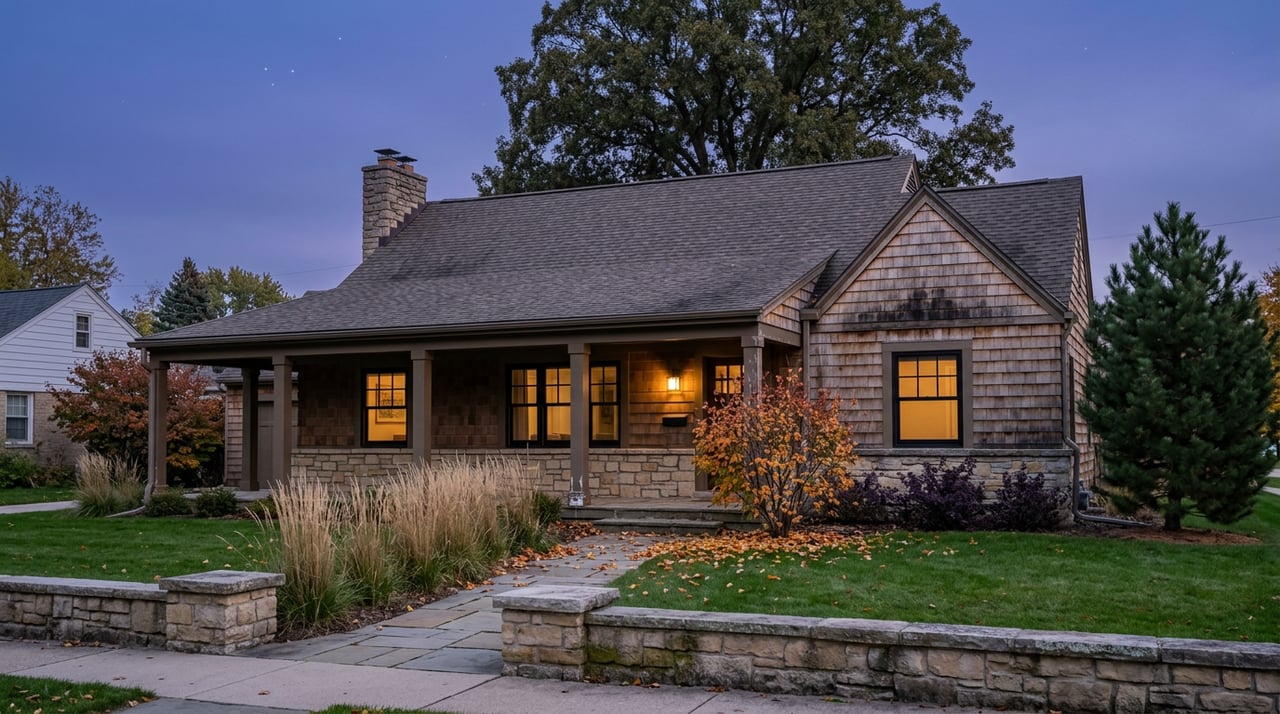
In Denver planning documents, the bungalow is described as a Craftsman-era home type that is typically 1 to 1.5 stories tall. You will often see a gently pitched gable roof and an open front porch, which gives these homes a distinct street presence.
In practical terms, bungalows tend to prioritize character over sheer interior volume. Porch living, original detailing, and a lower-scale feel are often part of the appeal. If you like homes that feel rooted in the neighborhood’s earlier history, this style often stands out.
What Buyers Often Like About Bungalows
Older bungalows usually win attention for qualities that are hard to replicate in new construction. Depending on the property, that can include mature trees, a more established streetscape, and a porch that creates a stronger connection to the block.
Some older lots may also offer flexible future potential. Denver’s ADU guidance notes that historic carriage homes still exist in older neighborhoods like West Washington Park, and modern ADUs can take the form of detached backyard structures, garage apartments, additions, or basement and attic conversions.
Where Bungalows Can Feel Smaller
The same design features that create charm can also create tradeoffs. A one- or one-and-a-half-story layout may not offer the same bedroom count, bath count, or ceiling height that many buyers want today.
That does not make a bungalow the wrong choice. It just means your priorities matter. If you care most about architecture and neighborhood feel, the trade may be worth it. If you need more flexible square footage, the equation can shift quickly.
How New Builds Compare
Newer homes in Washington Park West often read differently because they are built around modern space needs. Rather than copying the footprint of a classic bungalow, they tend to use the lot more vertically and create more usable interior volume.
That difference is tied to both design and zoning context. A 2025 Denver rezoning staff report for a Washington Park West site noted regular lot sizes without alleys in the immediate area and said the underlying U-TU-B2 zone has a minimum zone lot area of 4,500 square feet.
Why New Builds Feel Larger
On a standard city lot, a new build can often deliver more of what current buyers ask for. Think more bedrooms, more bathrooms, higher ceilings, and garage convenience.
The same Denver staff report explains that proposed U-RH-3A zoning can allow urban houses, duplexes, tandem houses, row houses, detached ADUs, and on corner lots, apartment buildings. In simple terms, that supports more vertically efficient development than a classic bungalow form.
What Buyers Often Like About New Construction
Newer homes usually appeal to buyers who want space to work with right away. If you are comparing daily functionality, a new build may offer a stronger layout for storage, guests, home offices, or multilevel living.
Parking setup can also shape the experience. The city report said vehicle parking in the neighborhood is generally located to the rear or side of buildings, which helps explain why some newer homes feel more tailored to modern access and convenience.
Bungalows Vs New Builds At A Glance
The best choice usually depends on how you live, not just what photographs well. In Washington Park West, the tradeoff is often charm and scale versus volume and function.
| Feature | Bungalows | New Builds |
|---|---|---|
| Typical form | 1 to 1.5 stories | More vertical and space-efficient |
| Street feel | Porch-oriented, historic character | Modern massing and updated layouts |
| Interior volume | Often more compact | Often larger and more flexible |
| Lot experience | Mature setting and older site patterns | Maximized use of a standard city lot |
| Future options | May include ADU potential or older site structures | May offer built-in modern flexibility |
The Lot May Matter More Than Style
When buyers compare homes here, style is only part of the story. Lot configuration, parking placement, expansion options, and overall interior volume often have a bigger impact on long-term satisfaction.
That is especially true in a neighborhood with mixed-era housing. One buyer may prefer the porch and scale of a bungalow, while another may see more value in a new home’s bedroom count and garage setup. Neither choice is automatically better. The better fit is the one that supports your routine.
Lifestyle Still Drives The Decision
Part of Washington Park West’s appeal has little to do with architecture. The neighborhood sits near one of Denver’s best-known outdoor anchors, and that matters whether you choose an older home or a new one.
Washington Park has two lakes, two formal flower gardens, tree-lined paths, and space for walking, jogging, biking, paddle boating, yoga, volleyball, and tennis. The Washington Park Boathouse dates to 1913, and the Washington Park Recreation Center sits at 701 S. Franklin St., just south of Smith Lake.
Access To Retail And Transit
The broader lifestyle picture also includes nearby retail and transit access. Visit Denver notes that Historic South Gaylord Street is four blocks west of Washington Park, while South Pearl Street serves as a retail and dining corridor with a farmers market and festivals.
Transit access is part of the equation too. South Pearl is reachable via RTD’s E Line to Louisiana and Pearl Station from Union Station, and a Washington Park West city report described one site in the neighborhood as a 12-minute, half-mile walk to I-25 & Broadway light rail, with Washington Park about 0.7 miles east.
What Pricing Suggests Right Now
Budget always shapes the bungalow-versus-new-build conversation. Neighborhood-wide figures give useful context, even though they cannot replace a property-specific analysis.
As of March 31, 2026, Zillow listed Washington Park West’s typical home value at $868,655 and its median list price at $803,167. Redfin reported a median sale price of $890,000 last month. Those figures show a neighborhood where both original homes and newer construction compete in a meaningful price band.
How To Choose The Right Fit
If you are deciding between a bungalow and a new build, start with how you want to live in the home for the next several years. A charming front porch may matter more to you than extra ceiling height, or you may decide that modern layout efficiency wins every time.
It helps to compare homes through a practical lens:
- How much bedroom and bathroom count do you truly need?
- Do you want historic character or newer finishes?
- How important is garage convenience?
- Would future ADU or expansion potential matter to you?
- Do you value porch-scale living and street presence more than square-foot efficiency?
In a neighborhood like Washington Park West, those answers can narrow your options fast. The right strategy is not to pick a category first. It is to define your non-negotiables, then compare each home against them.
If you want help weighing charm, functionality, and resale potential in Washington Park West, Nick Crothers can help you evaluate the numbers and the neighborhood fit with a clear, data-driven approach.
FAQs
What is the difference between a Washington Park West bungalow and a new build?
- A bungalow is typically a 1 to 1.5 story Craftsman-era home with a gently pitched roof and open porch, while a new build usually uses the lot more vertically and offers more modern interior volume.
Are bungalows common in Washington Park West, Denver?
- Yes. Washington Park West is an older urban neighborhood with housing that reflects early development history, so bungalows are part of the area’s established housing mix.
Do new builds in Washington Park West usually have more space?
- Often, yes. Newer infill homes generally emphasize usable interior volume, which can mean more bedrooms, bathrooms, higher ceilings, and more flexible layouts.
Can older Washington Park West properties have ADU potential?
- Some may. Denver guidance notes that older neighborhoods like West Washington Park can include historic carriage homes, and modern ADUs may take several forms depending on the property.
Is Washington Park West close to transit and parks?
- Yes. The area benefits from access to Washington Park and, in at least one city-documented case, a site in the neighborhood was about a 12-minute walk to I-25 & Broadway light rail.
What are home prices like in Washington Park West?
- Recent neighborhood-wide figures put the typical home value at $868,655, the median list price at $803,167, and the median sale price at $890,000, though any specific property can vary significantly.