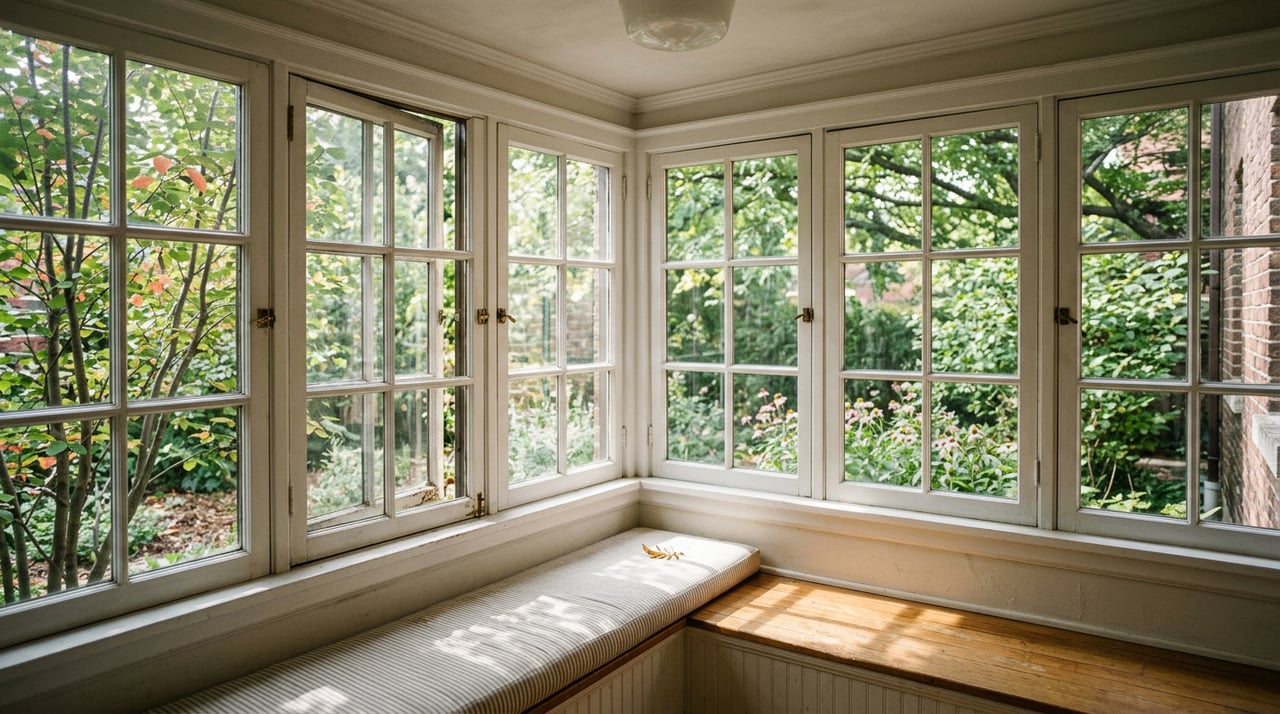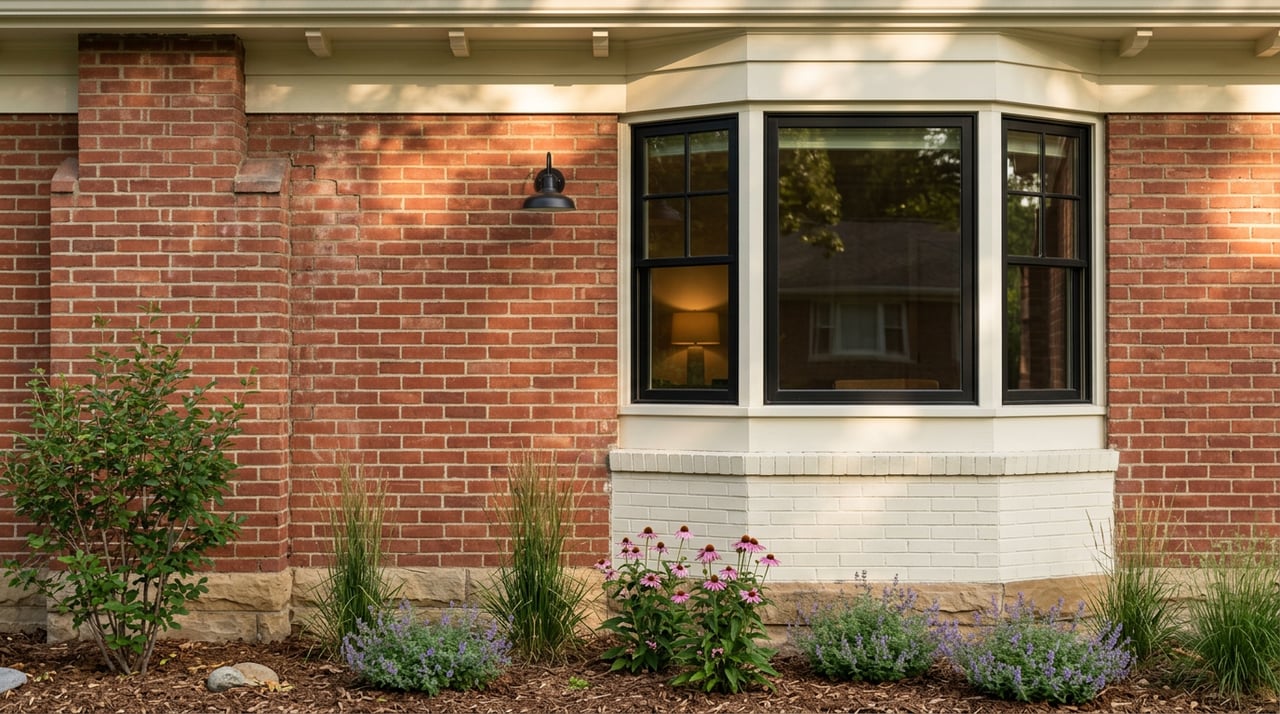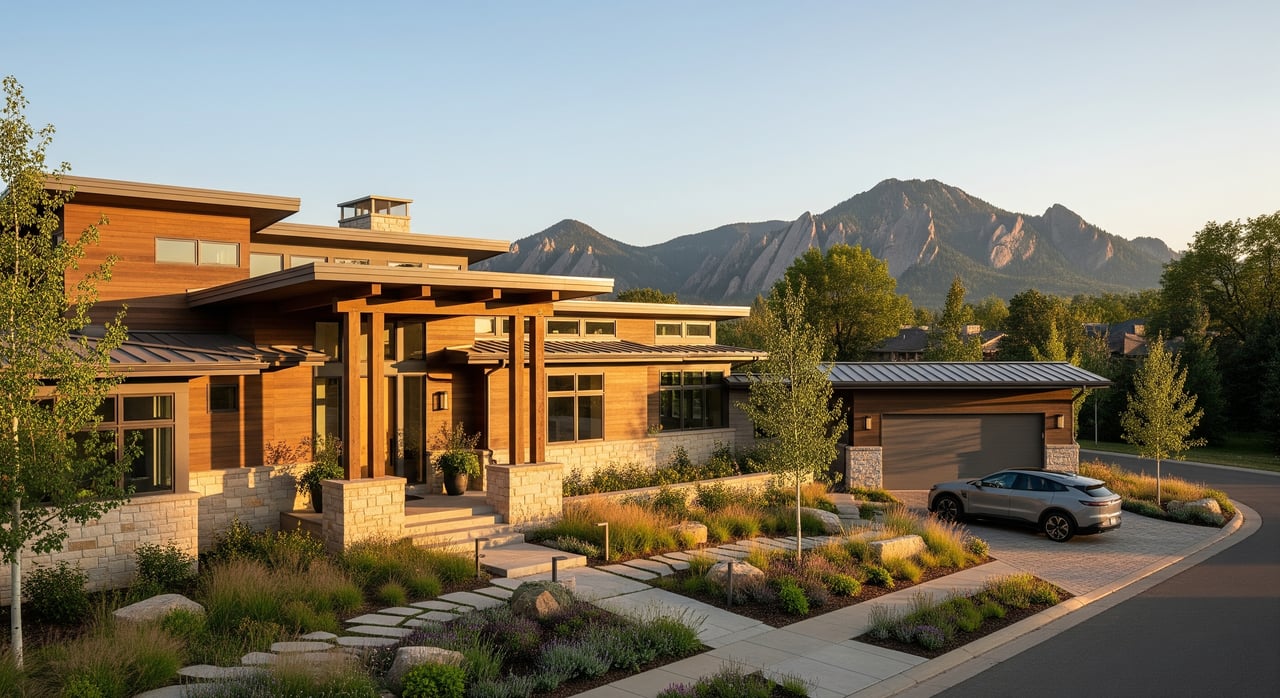
Thinking about moving to Lafayette but not sure how the homes, commute, and day-to-day fit your life? You are not alone. Relocation works best when you have a clear picture of housing options, real-world travel times, and how the town connects to Boulder, Denver, and the outdoors. This guide gives you the essentials so you can quickly narrow your search and plan with confidence. Let’s dive in.
Lafayette housing snapshot
Lafayette offers a mix of home types that appeal to many lifestyles. Detached single-family homes are the most common, from mid-century bungalows and ranches to larger homes in newer subdivisions. You will also find townhomes and condos near commercial corridors and in newer infill areas, which offer lower maintenance living with HOA coverage.
Small-lot and patio homes are popular if you want less yard work while keeping a single-family feel. New construction appears periodically on the edges of town, with modern energy features and builder warranties. Lot sizes and yard space vary a lot between older neighborhoods and newer communities, so it helps to decide early how much outdoor space you want.
Older homes may need upgrades such as insulation, windows, or HVAC. Newer homes often trade a higher purchase price for lower maintenance and better energy efficiency. If an HOA applies, factor monthly fees and rules into your total cost of ownership.
What homes cost right now
Prices shift with season, inventory, and mortgage rates, so use ranges instead of a single median. Entry-level condos and townhomes typically sit at the lower end of Lafayette pricing. Modest single-family homes, including older 2 to 3 bedroom properties, tend to fall in the mid-tier. Larger or newer single-family homes and luxury properties occupy the higher end of the market.
Market conditions change quickly. Spring usually brings more listings and stronger buyer activity, while winter can be slower with fewer options. For the latest numbers on active inventory, days on market, and pricing, check current MLS or local broker reports and refresh your search as you get serious about touring.
Commute overview: Boulder and Denver
Lafayette’s location makes Boulder the closest major job center. Many commutes to Boulder take about 10 to 25 minutes door to door, depending on origin, destination, route, and traffic. Denver commutes vary more. Typical drives range from roughly 30 to 60 minutes based on time of day and exact destination.
Expect rush-hour variability. Morning and evening peaks can add meaningful time on major corridors and at interchanges. If commute time is a top priority, plan a test drive during the hours you care about and compare a few routes.
Driving to Boulder
Routes toward Boulder use local arterials and state highways that connect into Boulder-bound roads. Travel time swings with school schedules, weather, and incident delays. Many buyers choose neighborhoods with quick access to these arterials to cut variability.
Driving to Denver
For Denver, I-25 and US-36 are the primary corridors for many commuters. Some corridors include express or managed lanes that can influence both time and cost. Check current rules and pricing before you rely on them, and compare typical travel times during your normal commute window.
Transit and car-light options
Fixed-route regional bus service is available through RTD and Boulder County providers. Lafayette does not have direct rail service, so some trips require a transfer or a park-and-ride. Boulder–Denver corridors include express and bus-rapid transit options, but your access depends on the route and where you start.
Park-and-ride lots in nearby cities can make longer trips easier. If you plan to use transit, check door-to-door times for the exact origin and destination, including transfer points and parking logistics. For many riders, e-bikes and standard bikes are also a practical option within Lafayette and to nearby towns, especially where multi-use trails link up. Carpool and vanpool programs add more flexibility if your employer supports them.
Outdoor access and everyday recreation
Lafayette gives you convenient everyday green space plus fast access to Front Range adventure. Neighborhood parks, local trails, and town amenities make short walks, runs, and family outings easy. Waneka Lake Park is a notable local waterfront and park area that many residents enjoy.
Regional trail links connect Lafayette to nearby towns with multi-use paths, often along creek corridors and through new subdivisions. If you want foothills time, many Boulder-area trailheads are within roughly a 15 to 40 minute drive, depending on your destination. Plan for winter conditions and occasional weather delays, and consider snow-rated tires for mountain access in colder months.
Match your neighborhood to your priorities
- If commute time to Boulder is critical: focus on neighborhoods with quick arterial access and proximity to bus or transfer points.
- If trail and open-space access matter most: look for homes near trail corridors or with short drives to foothill trailheads.
- If you want lower maintenance or lower initial cost: consider condos, townhomes, or small-lot detached homes, and account for HOA fees.
- If space, yard, and a garage are must-haves: start with newer subdivisions and larger-lot areas on the town’s edges.
Practical relocation checklist
- Test your commute: drive your exact route on a weekday during your target arrival and departure times.
- Confirm transit logistics: review bus schedules, transfer points, and park-and-ride options that match your work hours.
- Track market data: check current MLS or local broker updates for pricing, days on market, and seasonal patterns.
- Budget for maintenance: inspect roof, HVAC, insulation, windows, and age of major systems common in Colorado homes.
- Review HOA details: confirm monthly fees, reserve health, and what the HOA maintains versus what you must handle.
- Verify zoning and permits: check city planning for remodeling rules and whether accessory dwelling units are allowed for your property type.
- Evaluate risk overlays: look at local floodplain maps and any wildfire advisories if you are near open space.
- Check utilities and internet: confirm providers for electricity, gas, water, and available internet speeds or fiber.
- Understand property taxes: review Boulder County assessor processes so you can estimate your bill and valuation timing.
- Plan for winter: consider driveway slope, snow removal responsibilities, garage parking, and vehicle readiness.
Cost of ownership: what to model
Mortgage rates strongly influence monthly payments and what you can comfortably afford. Older homes may have higher utility bills or near-term repair costs, while newer and energy-efficient homes can lower monthly expenses over time. If you buy into an HOA, include dues and any potential special assessments in your budget.
Insurance needs vary by location. Standard homeowner policies apply broadly, and some properties may benefit from supplemental coverage, such as flood insurance in specific zones. A clear budget that includes maintenance reserves will help you make confident offers when you find the right home.
How to compare Lafayette to nearby choices
If you are deciding between Lafayette and another Front Range town, weigh your commute, housing type, and outdoor priorities side by side. Properties closer to foothill trailheads often command price premiums. Homes connected to continuous bike networks are attractive if you plan to ride daily.
On the commute side, run door-to-door travel time comparisons during peak hours for each town you are considering. If transit is a daily plan, compare the reliability and frequency of service for each origin, including how easy it is to park at your chosen lot and make transfers. Small differences in route access can add up over months.
A smarter way to plan your move
Buyers who define non-negotiables early move faster and negotiate better. Decide on your preferred housing types, must-have features, and acceptable commute windows. Tour a few areas at different times of day to get a feel for traffic flow, neighborhood activity, and access to everyday needs like groceries, parks, and fitness.
If you are also selling a home, consider how timing, seasonality, and potential pre-list improvements affect your net proceeds. A targeted refresh can shorten time on market and increase buyer appeal without tying up cash if you use a program that finances improvements at closing.
Ready for local, data-informed guidance?
If you want a clear read on Lafayette pricing, commute tradeoffs, and the neighborhoods that fit your goals, you can get hands-on support and market analytics from a local expert. For sellers, a coordinated pre-list refresh can improve ROI while reducing hassle. For buyers, a structured search and negotiation plan helps you act with confidence when the right home hits the market.
Have questions or want to see tailored options? Reach out to Nick Crothers for a local strategy session built around your move.
FAQs
How long is the commute from Lafayette to Boulder during rush hour?
- Many door-to-door trips take about 10 to 25 minutes, depending on your start point, route, and traffic.
What is the typical Lafayette to Denver drive time?
- Drives commonly range from roughly 30 to 60 minutes, with rush-hour and incident delays creating the widest swings.
Does Lafayette have direct rail service to Denver?
- No, Lafayette does not have direct rail service, so most transit trips rely on regional buses and may require a transfer.
Are HOAs common in Lafayette neighborhoods?
- HOAs are common for townhomes and many newer subdivisions, so review dues, rules, and what the association maintains.
What housing types are easiest to maintain?
- Condos, townhomes, and small-lot or patio homes usually offer lower-maintenance living, often with HOA coverage.
How should I verify current Lafayette home prices?
- Check up-to-date MLS or local broker market reports for active inventory, pricing trends, and days on market.
Can I add an accessory dwelling unit in Lafayette?
- ADUs can be possible but depend on zoning and permitting; confirm with city planning before you buy or design.
What season is best to buy in Lafayette?
- Spring brings more listings and activity, while winter often has fewer options but potentially less competition.
How close is Lafayette to Front Range trailheads?
- Many Boulder-area trailheads can be reached in about 15 to 40 minutes by car, depending on your chosen destination.
What should I include in my relocation budget beyond the mortgage?
- Plan for maintenance, utilities, insurance, and any HOA dues, plus reserves for upgrades or seasonal needs like snow tires.