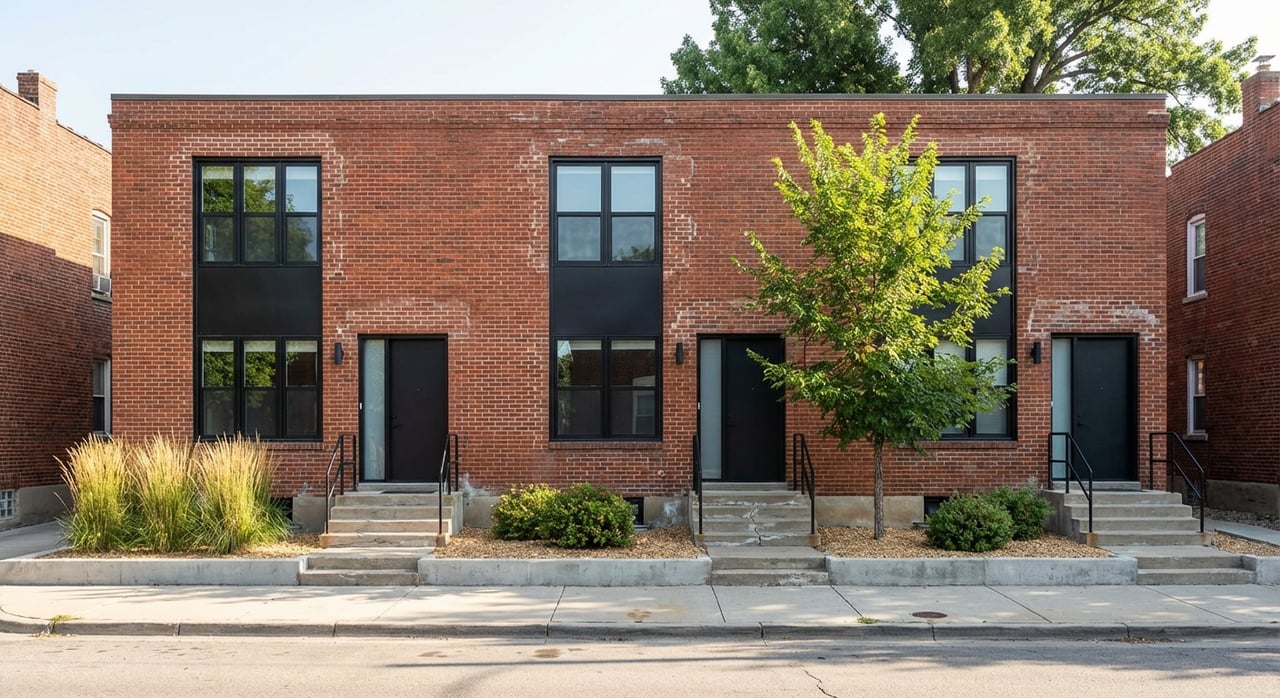
Thinking about buying a duplex or triplex in Five Points? You’re not alone. The neighborhood’s central location and rich cultural identity make it a magnet for renters and savvy investors. In this guide, you’ll learn how to evaluate small multifamily opportunities in Five Points, from typical rehab needs and rents to zoning rules and financing paths. Let’s dive in.
Why Five Points for small multifamily
Five Points sits next to downtown Denver and the RiNo and Union Station corridors. It has a deep cultural legacy as Denver’s historic Black commercial hub and a walkable street grid that attracts renters who want quick access to jobs, transit, and amenities. You can read more about the neighborhood’s background in this overview of Five Points’ history and location.
Central Denver has seen a material increase in new apartment deliveries in recent years. That pipeline has moderated rent growth in certain classes, especially newer luxury buildings, while demand for well-located value units remains steady. For context, see this summary of Denver’s rising multifamily deliveries.
Micro location and overlays
Parts of the Welton Street corridor are within the Five Points Historic Cultural District. If you’re eyeing exterior changes, signage, or infill on or near that corridor, expect design review and added timeline. Start by confirming whether a property sits inside the historic cultural district boundary and guidance. Location within the neighborhood and overlay status can change both your renovation plan and your returns.
Building stock and rehab planning
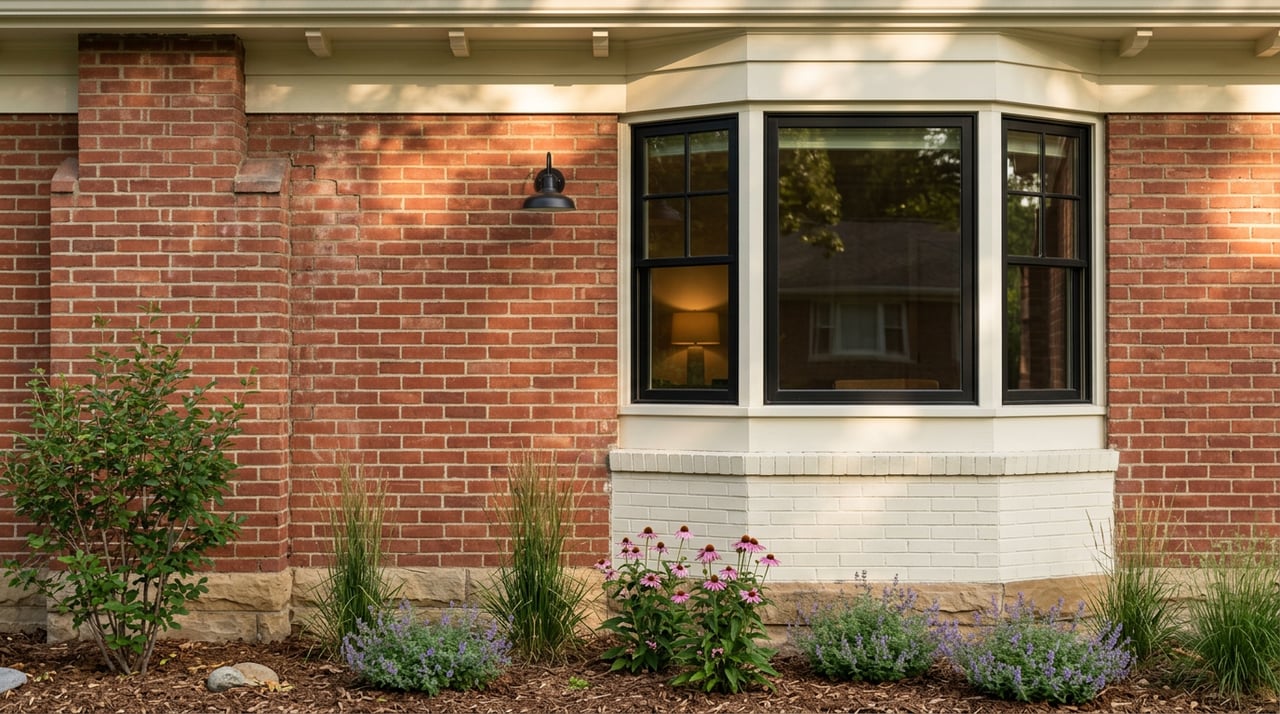
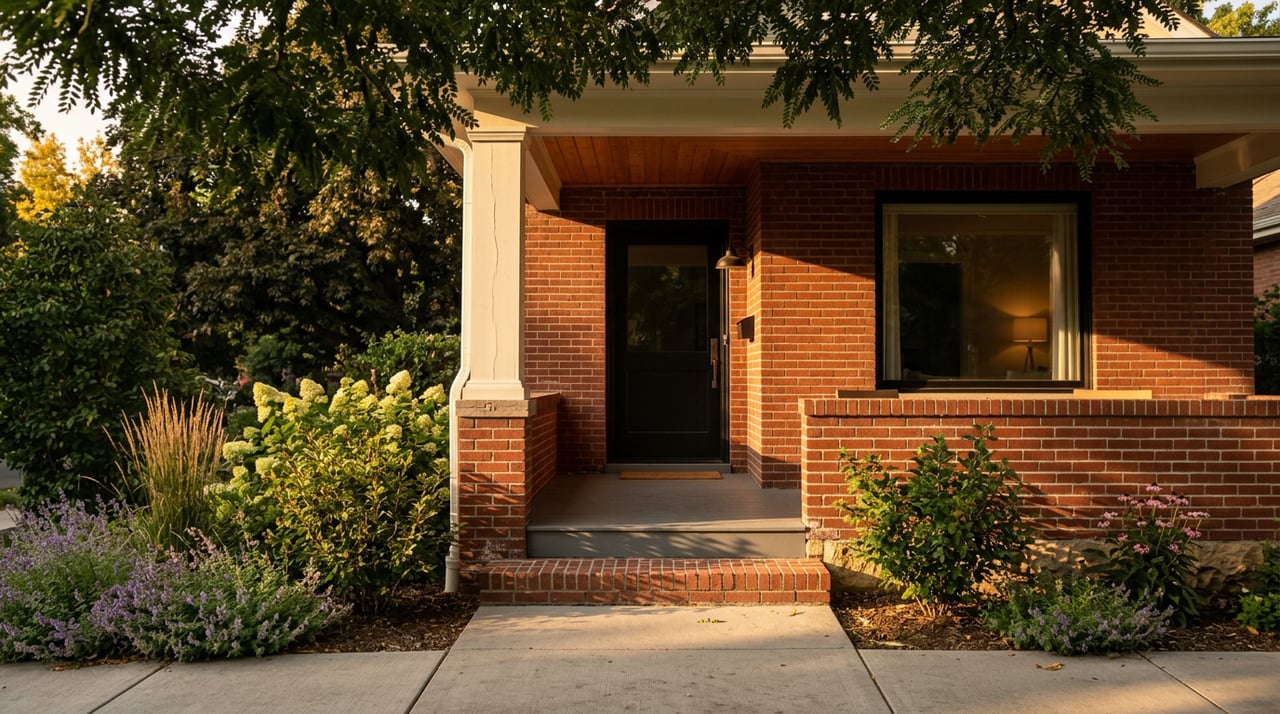
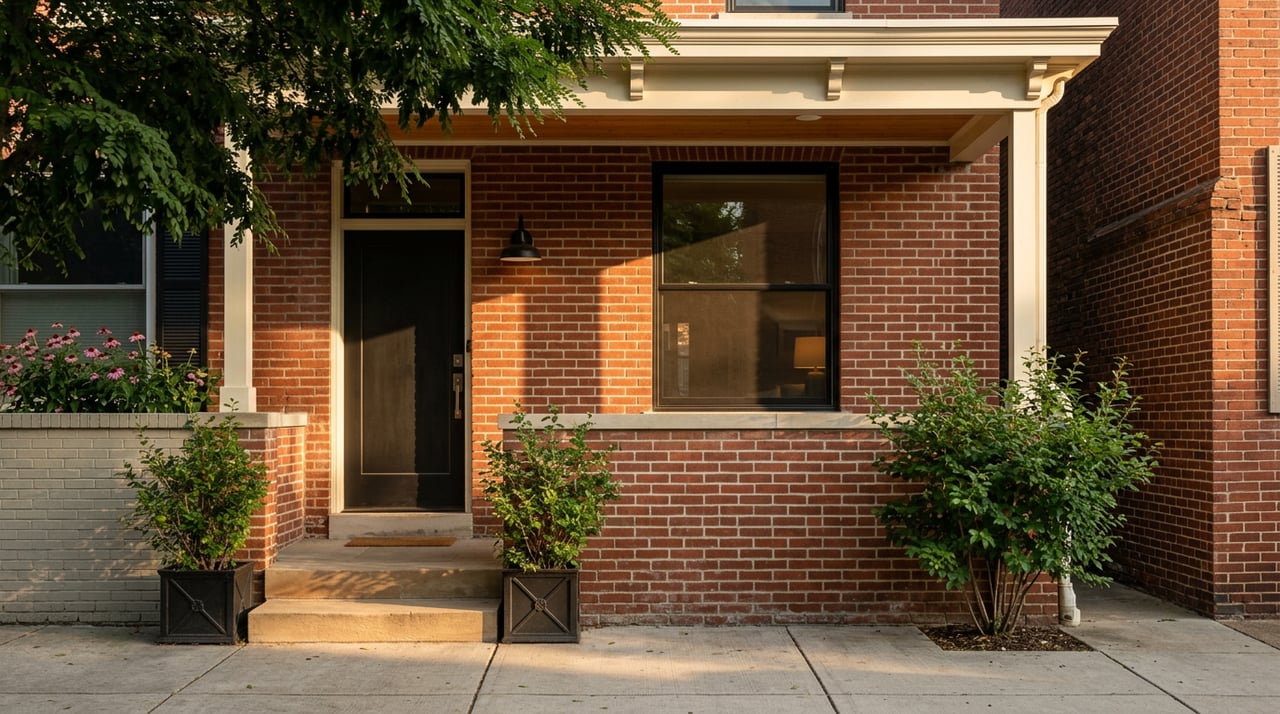
Five Points has many older buildings, including late‑19th and early‑20th century brick storefronts, row houses, and small apartment buildings. For small multifamily investors, that often means masonry or wood‑frame structures with original construction dates commonly pre‑1940 in contributing areas of the historic corridor. Older charm can be a draw, but it also brings specific rehab realities.
Common system upgrades
Plan for electrical upgrades, including modern panels, capacity, and grounding. Plumbing may require partial or full replacement if galvanized lines or old soil stacks are present. Roof work and masonry repointing are common on older brick façades. Many properties need HVAC or hot‑water system updates, sometimes per unit. At the unit level, refreshed kitchens and baths are the fastest path to rent bumps in older stock when paired with good floor plans and natural light.
Environmental testing to include
For pre‑1978 buildings, budget for lead‑based paint and consider potential asbestos in older finishes or insulation. Colorado also has relatively high radon potential, so testing is smart. The EPA outlines important guidance on lead, asbestos, and related safety practices. Use certified pros for testing and abatement, and build time and contingency into your schedule.
If a property is within the historic district, exterior changes can trigger review. While historic listings may qualify for credits, the process adds steps. Colorado’s programs and best practices are summarized in this overview of historic rehabilitation incentives and review considerations.
Rents, pricing, and returns
Local rents in Five Points sit near a rolling median of about $2,079 per month across unit types, with recent one‑bedroom averages in the mid‑$1,700s and two‑bedrooms in the mid‑$2,500s. Always confirm with nearby on‑market comps and recent leases when underwriting. For a current snapshot, review Five Points neighborhood rents.
Small multifamily pricing in central Denver varies by exact block, lot size, and condition. Duplex and triplex offerings have ranged roughly from the mid‑$500Ks to above $900K in recent periods. Expect tighter cap rates for stabilized, turnkey assets near RiNo and LoDo, and higher potential yields on value‑add properties that need work or sit slightly off the prime corridors. Institutional and broker reporting points to variability across classes and submarkets, which is why property‑specific underwriting is key. For broader context on yield trends, see this cap‑rate variability discussion.
How to underwrite conservatively
- Start with true market rents using active comps and recent leases within Five Points and adjacent urban neighborhoods. Test a sensitivity case at 75 percent of your rent estimate to model vacancy and concessions.
- Build a line‑item CapEx budget for electrical, plumbing, HVAC, roof, exterior envelope, kitchens, baths, and life‑safety items. Include a 10 to 20 percent contingency for unknowns, especially in older buildings.
- Stress test interest rates and refinance timing. Model both stabilized and value‑add outcomes to see if returns still pencil when timelines slip or costs rise.
- Compare a few exit paths: house‑hack hold, long‑term buy‑and‑hold, or renovate and resell. Different exits may change how you phase CapEx and lease‑up.
Zoning rules to verify
Denver’s Zoning Code defines use types and building forms like Two‑Unit Dwelling, Row House, and Apartment. Whether you can add units, split a house, or convert a use depends on the zone district, lot size and frontage, and any overlays. Start with the City’s portal to Denver’s Zoning Code and mapping tools.
Use and building form basics
Lot size and frontage minimums matter. Some two‑unit allowances apply only to corner lots in certain subzones. Off‑street parking or access standards can also change your feasibility. If a structure has a specific building form assignment, converting it may trigger different standards. When in doubt, consult the City’s zoning team or a zoning attorney and request a zoning verification.
Short‑term rental limits
Denver requires a license for short stays and generally limits Short‑Term Rentals to an owner’s primary residence. In duplexes, each unit could be licensed only if it is that occupant’s primary home. This limits pure investor STR strategies unless you occupy a unit or pursue different lodging classifications. Review the City’s Short‑Term Rental FAQ and licensing rules before assuming STR revenue.
Historic review process
Within the Five Points Historic Cultural District, exterior changes and demolitions can trigger Landmark Preservation review. Projects that qualify for incentives may offset some costs but often require specific materials and methods. Plan for added design time and approval steps. See a summary of historic review and incentive considerations.
House‑hack financing options
Owner‑occupant loans can open the door to 2 to 4 unit properties with lower down payments. FHA and certain conventional programs allow you to live in one unit and rent the others, subject to occupancy rules and lender guidelines. If you need renovation financing, the FHA 203(k) program can pair purchase and rehab funds in one loan, within county limits and underwriting rules. Learn more from HUD’s overview of FHA single‑family programs and 203(k) basics.
Living in one unit can also create steadier cash flow and qualify you for Denver’s STR rules if you plan to license a primary residence unit. Always confirm lender overlays and current limits before you write an offer.
Due‑diligence checklist
- Title and ownership. Verify clear title, easements, and any covenants that limit rentals or STRs.
- Zoning and use. Confirm zone district, overlays, and whether the current use is conforming. Check lot standards, parking, and building form rules in the Denver Zoning Code.
- Physical inspections. Order a full inspection, sewer scope, licensed electrical and plumbing walk‑throughs, a roof report, and radon testing. For pre‑1978 properties, plan for lead and possible asbestos testing using certified pros per EPA guidance.
- Income and expenses. Collect current leases, rent rolls, proof of payments, and utility splits. Validate market rents with nearby comps and test a conservative case using 75 percent of estimated rent.
- Renovation scope. Get written, line‑item bids for mechanicals, envelope, kitchens, baths, and life‑safety items. Include 10 to 20 percent contingency and extra time if a historic review applies.
- Licensing and compliance. Confirm business licensing, any STR licensing, and local landlord requirements. In historic areas, budget time for design review.
- Financing plan. If you plan to house‑hack, confirm eligibility and terms for FHA or conventional owner‑occupied loans, and whether a 203(k) structure fits your timeline and scope per HUD’s FHA programs.
- Exit strategy. Decide whether you will hold, refinance later, or renovate and resell. The exit will shape your CapEx phasing and leasing plan.
Investment plays that fit Five Points
Value‑add without overbuilding
In older small buildings, clean, durable finishes with refreshed kitchens and baths can attract renters who want location and character without the luxury premium. This aligns with today’s split market, where new luxury stock may offer concessions while well‑located value units hold demand due to proximity to jobs and transit. See the broader context on Denver’s delivery‑driven market dynamics.
Historic credit rehabilitation
If a property qualifies, historic credits may offset part of your rehab cost. The tradeoff is more design coordination and longer approvals. Review the process and incentive options summarized here: historic rehabilitation incentives. Factor the added time and materials into your schedule.
Owner‑occupant stability
House‑hacking with FHA or conventional owner‑occupant financing can improve underwriting by lowering your down payment and stabilizing early cash flow. It also aligns with Denver’s STR rules that tie licensing to primary residences. Learn the basics in HUD’s overview of FHA options and 203(k), then confirm lender overlays and local limits.
Next steps
Five Points offers a rare mix of central location, cultural character, and small‑building opportunities. If you underwrite conservatively, plan for older‑building rehab, and verify zoning early, you can position your duplex or triplex for durable demand and steady returns. When you are ready to evaluate an address, review comps, and map a scope, connect with Nick Crothers to Book a Free Market Strategy Call.
FAQs
What makes Five Points attractive for small multifamily?
- You get a central, walkable location near downtown and RiNo with strong neighborhood identity, plus renter demand shaped by transit access and amenities, as outlined in Five Points’ history and setting.
How are rents trending in Five Points today?
- A recent snapshot shows a rolling median rent near $2,079 across unit types, with 1‑bedrooms in the mid‑$1,700s and 2‑bedrooms in the mid‑$2,500s; always verify with nearby comps using neighborhood rent data.
What rehab items should I budget for in older duplexes?
- Common items include electrical and plumbing upgrades, roof and masonry work, HVAC and hot‑water systems, and kitchen and bath refreshes, plus testing for lead, asbestos, and radon per EPA guidance.
Can I run a short‑term rental in a Five Points duplex?
- Denver generally limits STRs to an owner’s primary residence and requires a license; each unit must be the occupant’s primary home to license separately, per the City’s STR FAQ.
How do I confirm if I can add a unit or convert use?
- Check the property’s zone district, lot standards, building form rules, and any overlays through the City’s Zoning Code and mapping tools, and seek a zoning verification for clarity.
Are FHA loans available for a triplex in Denver?
- FHA permits owner‑occupied 2 to 4 unit properties, and FHA 203(k) can combine purchase and rehab funds; see HUD’s overview of FHA programs and confirm current limits and lender overlays before offering.