Buying your first place near the University of Denver can feel equal parts exciting and overwhelming. You want a smart investment and a smooth daily routine, whether you plan to live close to campus, bike to coffee on Evans, or rent a room to help with the mortgage. This guide gives you practical steps, local context, and the key tradeoffs you should weigh in Denver’s University neighborhood. Let’s dive in.
University neighborhood at a glance
The City of Denver defines the University neighborhood with clear boundaries: I‑25 to the north, Downing Street to the west, University Boulevard to the east, and the Denver–Englewood line to the south. You can confirm an address with the City’s official neighborhood map.
Housing is a true mix. You’ll see small apartment buildings and student housing near campus, mid‑century condo buildings, newer townhouse clusters, and older bungalows or Craftsman homes on narrower lots. That range creates multiple entry points for first‑time buyers.
Recent summaries peg many single‑family homes in roughly the mid‑$700Ks, while condos and townhomes often trade at lower median prices. Always verify current pricing with live MLS data before you write an offer.
The neighborhood skews younger with a high share of renters, which reflects DU’s influence and steady housing demand. If you are comparing buying versus renting, DU also maintains an off‑campus housing portal that can help you understand local rental patterns.
Property types: pros, cons, and fit
Condos
Condos are common for first‑time buyers near DU. You’ll find studios and 1–2 bedroom units in low‑rise buildings from the 1960s–1980s, plus some renovated conversions. Entry prices are typically lower than for detached homes in the same area.
Pros include lower maintenance since HOAs often handle exterior, roof, snow, and landscaping. Cons can include monthly HOA dues, varying reserve strength, rental rules, and limited parking. Ask for the full HOA packet early, including bylaws, budget, reserve study, meeting minutes, insurance, and rental and parking rules. Clarify whether utilities like water or trash are included.
Financing note: Some loan programs require project approval. Have your lender review the condo questionnaire and HOA status before you commit.
Townhomes
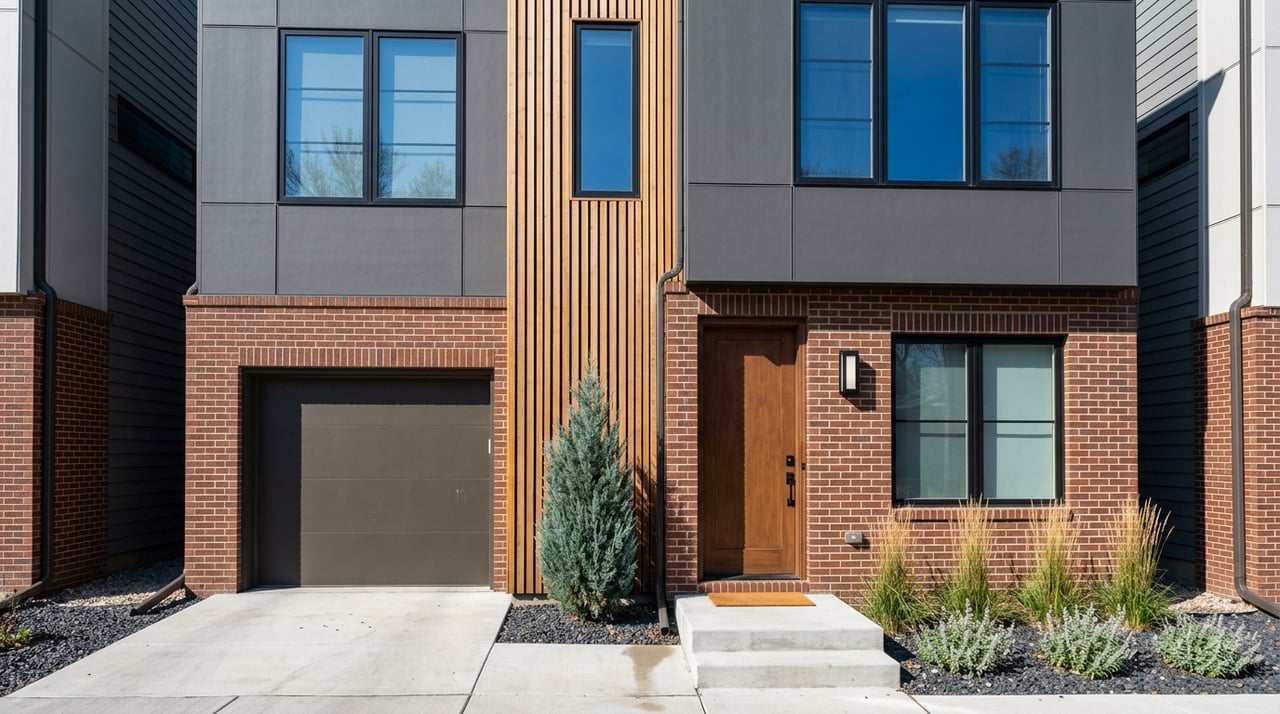
Townhomes offer more private space and frequently include 1–2 car garages. HOAs are often smaller and focus on common areas and snow removal, which keeps dues more modest than many high‑amenity condo buildings. Prices generally fall between entry‑level condos and single‑family homes, though values vary block by block.
Expect a blend of individual responsibility and shared rules. Review exterior maintenance obligations, parking and garage access, and any rental caps.
Small single‑family homes
Detached bungalows and Craftsman homes close to campus are prized for privacy and control over your property. Many have 1‑car detached garages and small yards. Newer infill builds exist but are typically larger and more expensive.
These homes often carry the highest price per square foot within walking distance to DU. For older homes, budget for potential upgrades to roof, electrical, HVAC, plumbing, or foundation.
Duplexes and small multifamily
Some blocks include two‑ or three‑unit properties that can work well for buyers seeking rental income. If you plan to live in one unit and rent the others, you must follow Denver’s residential rental licensing and inspection rules for long‑term rentals. Review the City’s residential rental property license requirements early in your search.
Parking, transit, and daily life
Parking and permits
Parking is a core value factor near DU. Many condos include one assigned surface or garage space, but not all do. Townhomes commonly include garage parking, while many older single‑family homes have a detached garage or driveway. Confirm whether a space is deeded, assigned, or by permit and review guest parking rules.
DU manages campus lots, structures, and event parking. If your routine includes campus visits, check DU Parking and Mobility for permit details and event schedules that affect demand.
Transit and walkability
The University area is walkable and bikeable, with RTD light rail and bus options that connect to central Denver. If you want to rely less on a car, proximity to stations and frequent bus routes can be a daily advantage. Confirm the nearest stops during a test commute.
Noise and local character
Near‑campus blocks can experience seasonal nightlife, restaurant patios, and student gatherings. Streets 2–6 blocks off the main retail corridors are often quieter. Denver enforces citywide noise standards and has discussed updates to the code and enforcement approach. For context, see recent reporting on Denver’s noise ordinance discussions. If noise is a concern, ask neighbors and the HOA about any recurring issues and consider proximity to I‑25 or rail corridors.
Renting your place: what to know
Long‑term rentals and room rentals
If you plan to rent a full unit for 30 days or more, or rent rooms while you live on site, Denver requires a residential rental license and an inspection. Learn what you need, including timelines and tenant‑rights resources, on the City’s residential rental property license page. Build inspection and licensing steps into your closing plan.
Short‑term rentals
Short‑term rentals like Airbnb and VRBO are regulated and typically limited to your primary residence in Denver. Hosts must obtain a license, meet insurance requirements, and handle taxes. Review the City’s short‑term rental FAQ and check any HOA rules before assuming STR income.
Why this matters for first‑time buyers
HOA and City rules shape your monthly budget and future options. A building that restricts rentals reduces income potential. A property that qualifies for compliant, occasional STR use may still support your goals, but only if you follow licensing requirements closely. Always confirm HOA rules and City licenses for the specific address.
First‑time buyer checklist near DU
- Verify the exact neighborhood. Confirm whether a listing sits in University, Rosedale, Platt Park, or Washington Park West using the City’s neighborhood map.
- Price check with live MLS data. Neighborhood pages provide estimates, but your offer should reflect current block‑level comparables.
- Request the full HOA packet for condos or townhomes. Review bylaws, budget, reserve study, meeting minutes, insurance, rental restrictions, and parking assignments. For general context on HOA dues and what they often cover, see this overview on HOA association fees.
- Confirm parking. Is the space deeded or assigned? How many spots? What about guest parking and permits? Cross‑check with DU Parking and Mobility for event impacts.
- Assess noise and use history. Ask for any complaint logs. Consider proximity to I‑25 and rail corridors and review community expectations.
- Plan for renting, if applicable. For long‑term rentals, follow the City’s residential rental licensing. For STRs, review City STR rules and any HOA restrictions.
- Confirm condo financing. Have your lender vet the project’s eligibility and questionnaire requirements early.
- Inspect with age in mind. For older bungalows, prioritize roof, foundation, electrical, HVAC, and plumbing. For attached homes, evaluate party walls, shared systems, and water management.
Nearby alternatives to consider
- Platt Park. A bit north and west with a strong South Pearl Street retail spine, a slightly different housing mix, and pricing that can be comparable or a bit higher in some pockets.
- Washington Park West. Closer to the park with tree‑lined streets and higher single‑family price points in several blocks. A good option if you value larger yards and immediate park access over campus proximity.
How to move forward with confidence
Buying near DU rewards preparation. Clarify your budget with HOA dues and utilities included, verify parking and transit options for your day‑to‑day life, and understand how City and HOA rules affect your rental plans. Then use block‑level comps and a strong negotiation strategy to secure the right fit.
If you want a data‑driven plan and a smooth process, connect with Nick Crothers. You’ll get clear MLS‑based pricing guidance, neighborhood intel, and step‑by‑step support through inspections, HOA review, and closing.
FAQs
What are the official boundaries of Denver’s University neighborhood?
- The City defines University as I‑25 to the north, Downing Street to the west, University Boulevard to the east, and the Denver–Englewood line to the south; confirm an address on the City’s neighborhood map.
Are condos or townhomes better for first‑time buyers near DU?
- Condos often have the lowest entry price and lower exterior maintenance, while townhomes usually offer a garage and more private space with modest HOAs; choose based on budget, parking needs, and HOA rules.
How does parking work for homes near the University of Denver?
- Parking varies by property: some condos have assigned or deeded spaces, townhomes often include garages, and older homes may have detached garages; always verify deeded parking and review guest rules, then check DU parking for event impacts.
What licenses do I need if I rent my place long‑term in the University area?
- Denver requires a residential rental license and inspection for rentals of 30 days or more; see the City’s residential rental property license page for steps and timelines.
Are short‑term rentals allowed near the University of Denver?
- Short‑term rentals are regulated and generally limited to your primary residence; review Denver’s short‑term rental FAQ and your HOA’s rules before planning STR income.
How much should I budget for HOA dues near DU?
- HOA fees vary widely by building and amenities; request the full HOA packet to see current dues, what they cover, and the building’s reserve strength, and use that number in your monthly budget.