Selling in Lafayette can feel like a balancing act. You want to maximize your sale price, but you probably do not want to sink a huge amount of time and cash into renovations right before you list. The good news is that in Lafayette, the smartest pre-listing strategy usually is not a full remodel. It is a focused plan built around buyer expectations, visible improvements, and a clear return on investment. Let’s dive in.
Why pre-listing strategy matters in Lafayette
Lafayette is still a strong ownership market, with a 65.7% owner-occupied housing rate and a median owner-occupied home value of $686,500, according to the latest Census Bureau QuickFacts. That matters because many local sellers may have meaningful equity to work with, even if they want to stay careful about upfront spending.
The age of Lafayette’s housing stock also shapes what buyers notice. The city’s comprehensive plan shows that about 71% of homes were built between 1970 and 1999, while only 3.2% were built in 2014 or later. In practical terms, many homes are solid but may show cosmetic wear that stands out in listing photos and showings.
At the same time, the market remains active. Realtor.com’s March 2026 snapshot for 80026 labeled Lafayette a seller’s market, with homes selling at about asking price on average and a median of 32 days on market. That creates an opening for sellers who make the right updates before listing, especially improvements that help a home show clean, cared for, and move-in ready.
Focus on upgrades buyers can see
If you are deciding where to spend money, visible improvements usually give you the clearest path. In the Mountain Region of the 2024 Cost vs Value report, some of the strongest returns came from garage door replacement, steel entry door replacement, manufactured stone veneer, and a minor kitchen remodel.
That pattern is important for Lafayette sellers. Buyers often respond most strongly to updates that improve first impressions, reduce signs of wear, and make the home feel current without over-customizing it.
Best pre-listing projects to consider
The projects below tend to fit that goal well:
- Fresh interior paint
- Updated lighting and hardware
- Flooring improvements where wear is obvious
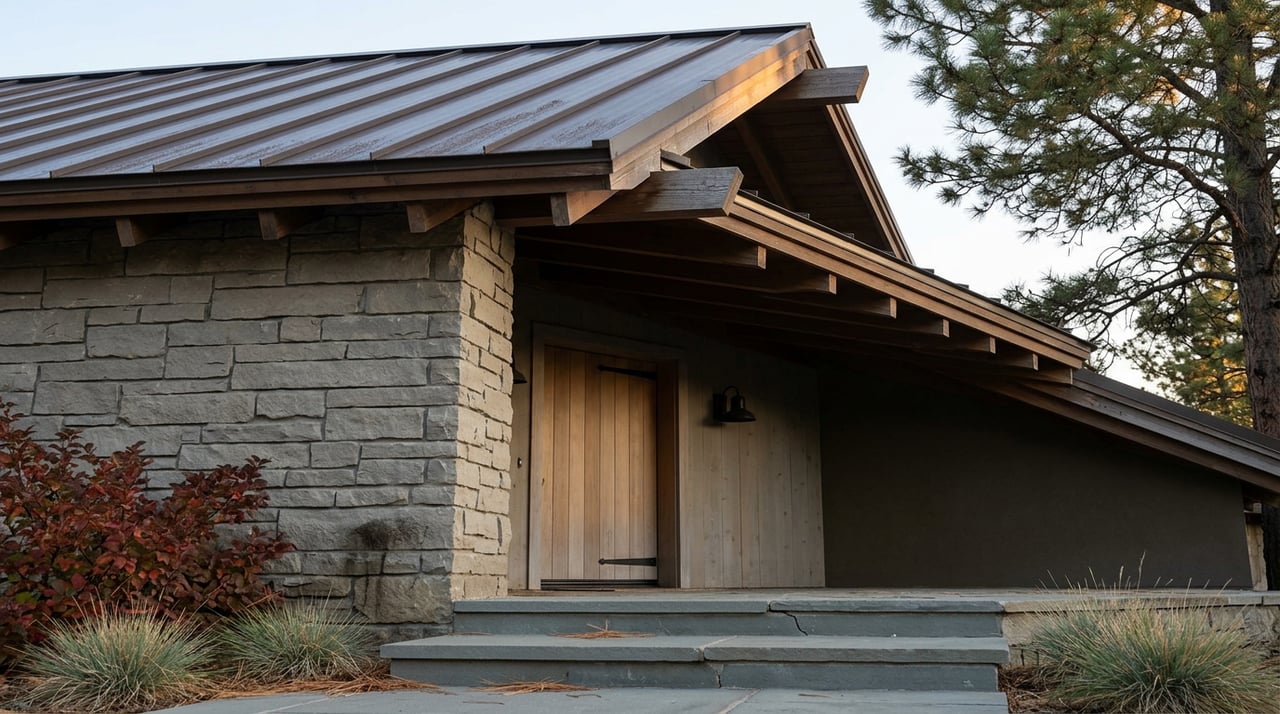
- Front door updates
- Garage door replacement
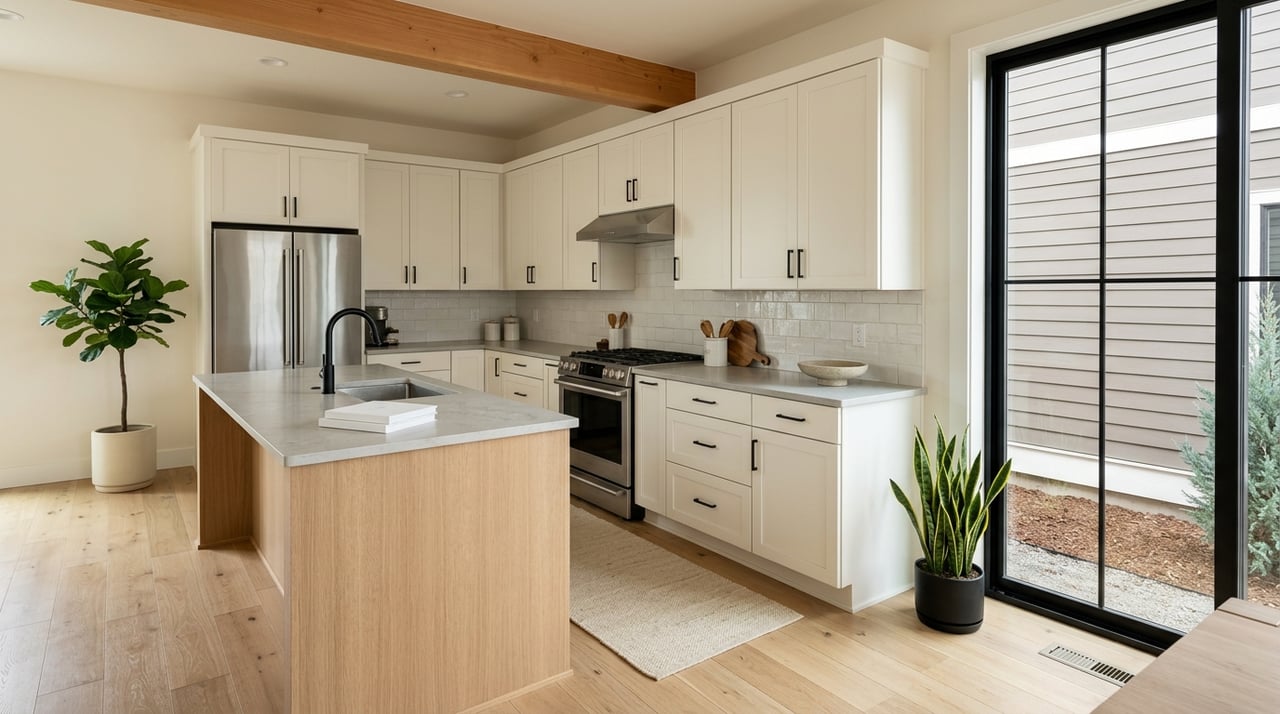
- Minor kitchen refreshes
- Selective bathroom touch-ups
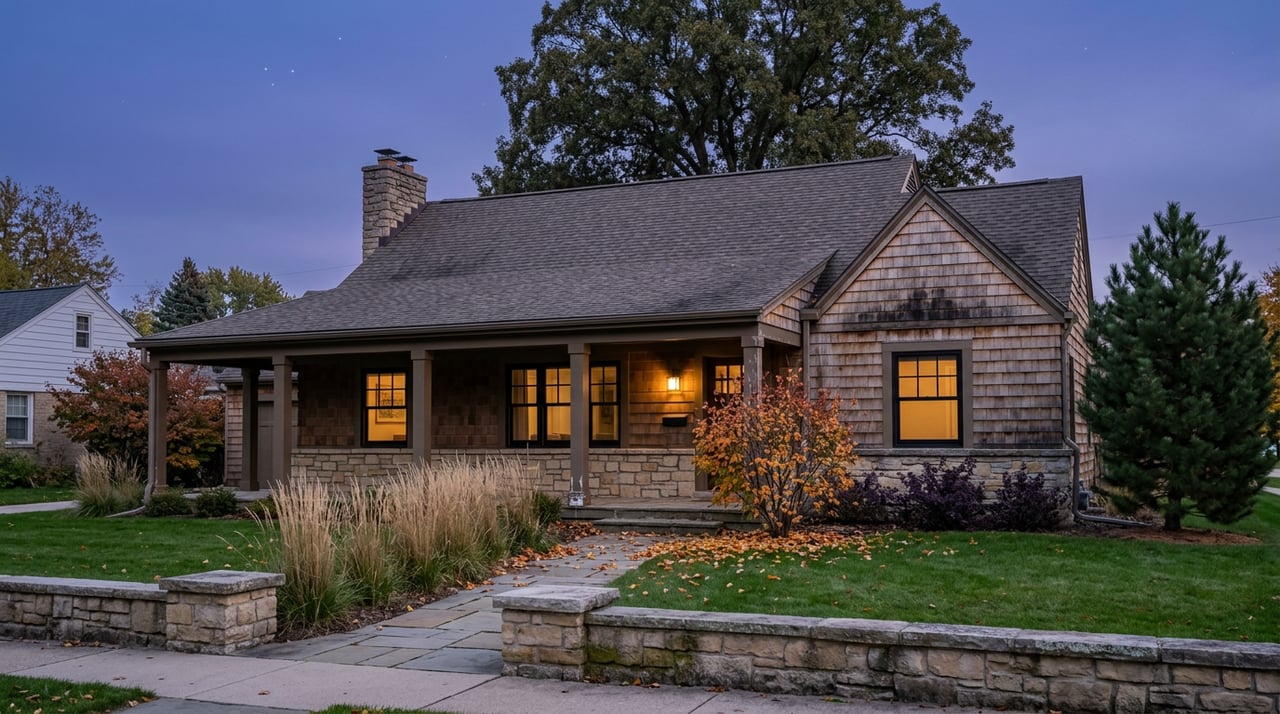
- Exterior cleanup and curb appeal work
These are the kinds of upgrades that help buyers feel more confident the home has been maintained. They also tend to photograph well, which matters because online presentation often shapes whether buyers decide to schedule a showing.
Why paint, cleaning, and decluttering matter
Not every smart pre-listing move is a renovation. The 2025 NAR remodeling and staging research points to a few simple steps that consistently help sellers prepare their homes.
According to that research, agents most often recommend painting, addressing roofing issues when needed, decluttering, cleaning the entire home, and improving curb appeal. The same staging research found that 83% of buyers’ agents said staging made it easier for buyers to visualize a property as a future home.
If your budget is tight, this is where you can create meaningful impact without overbuilding. A clean, decluttered, freshly painted home often feels newer and more inviting, even if you do not change the layout or finishes in every room.
Start with condition, not cosmetics alone
Before you pick paint colors or cabinet hardware, it helps to understand whether your home has any issues that could derail a sale. A seller-funded pre-listing inspection can be useful because it may reveal concerns early, before you spend money on less important upgrades.
That matters because buyers tend to be less flexible on condition than they were in the past. NAR’s 2025 Remodeling Impact Report found that 46% of buyers are less willing to compromise on the condition of a home than before.
What a pre-listing inspection can help you catch
A pre-listing inspection may help identify:
- Roofing concerns
- Safety or maintenance issues
- Mechanical problems
- Plumbing or electrical concerns
- Deferred repairs that may come up in negotiations
If a major issue exists, it usually makes more sense to address that first or build your pricing strategy around it. Cosmetic updates help, but they do not usually overcome buyer hesitation if a core system appears neglected.
Avoid the remodels that rarely pay off
One of the biggest mistakes sellers make is renovating too much. Just because a project looks impressive does not mean it will help your bottom line when you sell.
In the Mountain Region Cost vs Value report, major midrange kitchen remodels recouped only about 49.5% to 51.3% of cost. Upscale bathroom remodels and primary suite additions performed even worse, with much lower cost recovery.
Projects to think twice about
For most Lafayette sellers, it is smart to be cautious about:
- Full-gut kitchen remodels
- Luxury bathroom overhauls
- Primary suite additions
- Major layout changes
- Highly personalized finishes
- Large custom projects right before listing
These projects can cost a lot, take longer, and make the sale timeline harder to control. In a market where buyers are still active, you often do better with broad-appeal updates instead of expensive reinvention.
Consider timing and permits in Lafayette
Speed matters when you are preparing a home for market. Lafayette’s permit guidance makes a clear distinction between finish-level work and larger construction activity.
Painting, wallpaper, countertops, and similar finish work are generally exempt. By contrast, construction, enlargement, alteration, repair, demolition, and new or modified electrical, gas, mechanical, or plumbing systems generally require permits.
Why that distinction matters for sellers
If you are on a short timeline, finish-level improvements are usually easier to complete quickly. Structural or system-related projects often require more planning, approvals, and coordination.
That does not mean you should ignore serious issues. It just means your renovation plan should match your timeline, your likely return, and the practical reality of getting the home listed without unnecessary delays.
Build around rooms that influence buyers most
When sellers try to update everything, the budget can disappear fast. A smarter approach is to focus on the spaces buyers notice first and remember most.
NAR’s staging research found that when sellers need to prioritize, the most important rooms to stage first are the living room, primary bedroom, and kitchen. Those same spaces often benefit most from modest cosmetic improvements because they carry a lot of emotional weight during showings.
High-impact room priorities
If you are deciding where to focus, start here:
- Kitchen: Refresh hardware, lighting, paint, and surfaces if needed.
- Living room: Improve lighting, flooring condition, and furniture flow.
- Primary bedroom: Keep finishes calm, clean, and uncluttered.
- Entry and exterior: Strengthen the first impression from the moment buyers arrive.
A home does not need to be fully remodeled to feel market-ready. It needs to feel coherent, clean, and easy for buyers to understand.
When closing-funded renovations make sense
Some sellers have the equity to improve their home, but they do not want to pay upfront or manage a renovation themselves. That is where a closing-funded renovation program can fit.
Nick Crothers’ NCRE Refresh program is designed so sellers can refresh or remodel before listing and repay the cost when the home sells. According to the program details, it offers fixed, all-inclusive pricing, no hidden fees, no interest charges, no credit checks, and a dedicated remodel team.
How closing-funded work fits a listing plan
At closing, funds are distributed as part of the settlement process. That is the basic mechanism that allows approved renovation costs to be paid from seller proceeds rather than from cash on hand before listing.
For many Lafayette sellers, that can reduce friction. It can also make sense when the planned work is clearly visible, broadly appealing, and easier to tie back to local buyer expectations.
The best use cases for this approach
Closing-funded renovation is often strongest when the work includes:
- Paint
- Flooring updates
- Light fixture replacement
- Cabinet hardware updates
- Front door improvements
- Garage door replacement
- Selective kitchen or bath refreshes
These are updates buyers can see right away. They usually support stronger marketing, better listing photos, and a more polished presentation without drifting into over-improvement.
A practical renovation plan for Lafayette sellers
The best pre-listing renovation strategy is rarely about doing more. It is about doing the right things in the right order.
For most Lafayette homes, a strong plan looks like this:
- Assess condition and identify any sale-blocking issues.
- Prioritize repairs that affect buyer confidence.
- Focus next on paint, cleanliness, decluttering, and curb appeal.
- Add selective updates in the kitchen, baths, flooring, lighting, or entry.
- Prepare the home to photograph well and show clearly.
- Use a closing-funded option only when the likely resale lift justifies the cost.
That approach fits Lafayette’s older housing stock, active market conditions, and the reality that buyers often respond best to homes that feel well-maintained and easy to move into.
If you are unsure which projects are worth doing before you list, a local, data-driven plan can save you from overspending and help you focus on the updates most likely to support your net proceeds. If you want help building that strategy, planning the scope, and coordinating the work, Nick Crothers can help you map out a smart pre-listing approach for your Lafayette home.
FAQs
What renovations add the most value before listing a home in Lafayette?
- In Lafayette, the strongest pre-listing candidates are usually visible, broad-appeal updates like paint, curb appeal improvements, garage door or entry door updates, and minor kitchen refreshes rather than major remodels.
Should Lafayette sellers do a full kitchen remodel before listing?
- Usually, no. The Mountain Region cost-recovery data shows that major kitchen remodels tend to recoup much less than smaller, more targeted updates.
Do Lafayette sellers need permits for pre-listing updates?
- Finish-level work like painting, wallpaper, and countertops is generally exempt, while larger construction or changes to electrical, gas, mechanical, or plumbing systems generally require permits.
Is a pre-listing inspection worth it for Lafayette sellers?
- It can be, especially if you want to identify major issues early, disclose clearly, and avoid surprises that could disrupt negotiations later.
How does a closing-funded renovation program work for Lafayette home sellers?
- With a closing-funded model, approved renovation costs are paid back from the seller’s proceeds when the home closes, rather than being paid upfront before listing.
Which rooms should Lafayette sellers update first before listing?
- If you need to prioritize, focus first on the kitchen, living room, primary bedroom, and the home’s exterior or entry because those areas often shape the strongest buyer impressions.