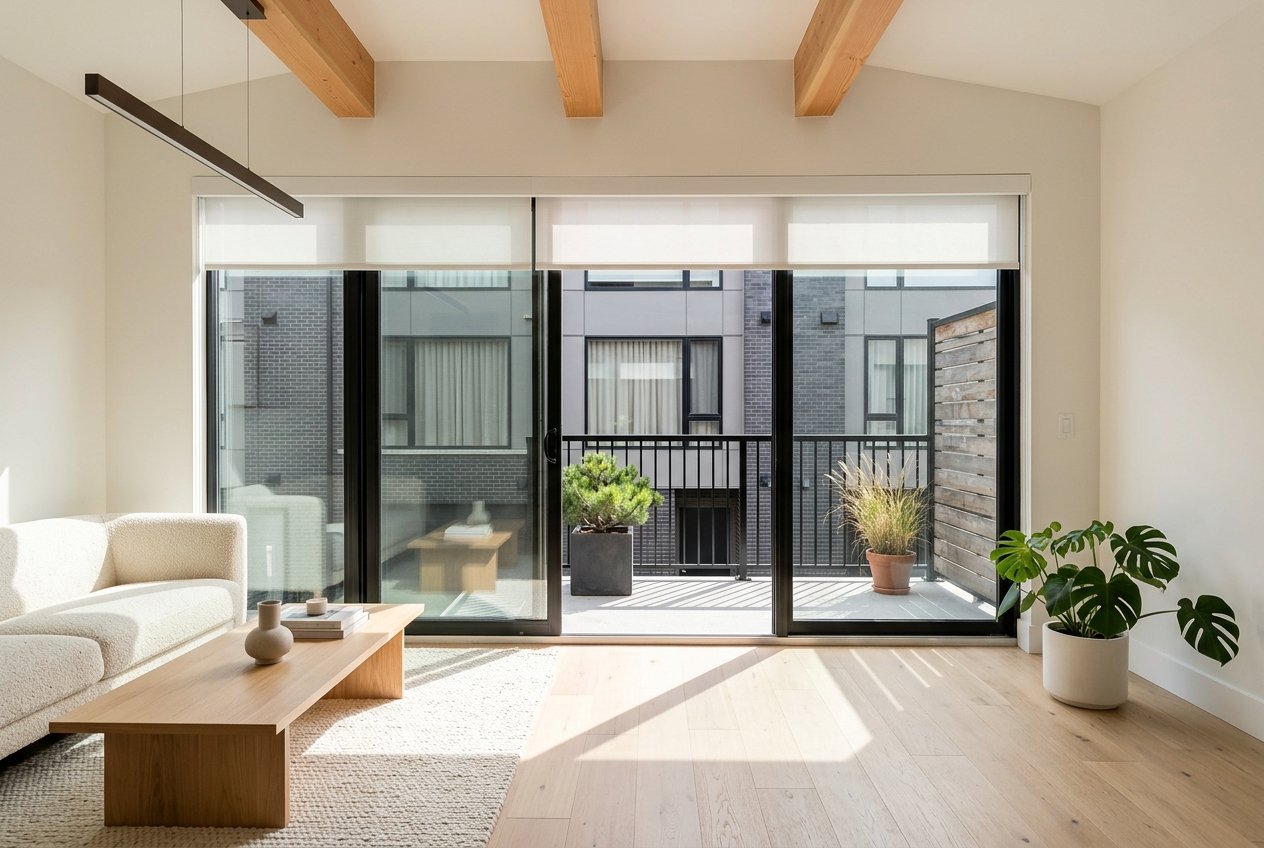
Trying to decide between a condo and a townhome in Jefferson Park? You are not alone. This pocket of Denver offers a very urban housing mix, and the differences between these two property types can affect your budget, maintenance, parking, and day-to-day lifestyle more than many buyers expect. If you want a clear, practical breakdown of how condos and townhomes work in Jefferson Park, this guide will help you compare the tradeoffs and shop with more confidence. Let’s dive in.
Why Jefferson Park Stands Out
Jefferson Park sits in Denver’s Near Northwest area, where the city highlights transit access, proximity to downtown, and walk and bike access to parks and neighborhood businesses. The city’s Near Northwest Area Plan now helps guide growth in Jefferson Park and nearby neighborhoods.
That urban setting shapes the local housing stock. According to Denver’s pattern book for the area, rowhouse and multi-unit forms are among the most common building types in Jefferson Park. In simple terms, this is a neighborhood where attached housing is the norm, not the exception.
Condos vs Townhomes at a Glance
If you are comparing options in Jefferson Park, the biggest difference usually comes down to size, layout, and ownership structure. Condos tend to be smaller and more efficient, while townhomes are often larger, more vertical, and may offer more private garage space and outdoor areas.
A recent Redfin snapshot of Jefferson Park condos from March 29, 2026 showed 1 condo for sale at a median listing price of $478K. The same snapshot showed 19 townhouses at a median listing price of $689K. That does not mean every condo is a bargain or every townhome is premium, but it does show a meaningful gap in typical asking prices.
What Jefferson Park Condos Look Like
In Jefferson Park, condos often center on efficient 1- and 2-bedroom floor plans. Current examples in the market ranged from about 700 to 1,300 square feet, with features like private balconies, rooftop terraces, covered garage spaces, storage, and city views.
Some condo inventory also reflects the neighborhood’s older-meets-newer character. One current condo came from a former 1890s church converted in 2004, which shows that Jefferson Park includes both adaptive-reuse properties and newer infill product. That mix can appeal to buyers who want something more distinctive than a standard apartment-style layout.
Best fit for condo buyers
A condo may make sense if you want:
- A lower entry price than many townhomes in the neighborhood
- Less interior square footage to maintain
- A lock-and-leave setup for travel or a busy schedule
- Shared-building living in a walkable urban setting
That said, condo living often comes with more shared systems and common-area responsibilities, which is where HOA details matter.
What Jefferson Park Townhomes Look Like
Townhomes in Jefferson Park are typically larger and more vertical than condos. Current listings ranged from about 1,369 to 2,401 square feet, with many offering 2- to 3-bedroom, 3- to 4-bath layouts.
Common features include open-concept main levels, upper-floor primary suites, private balconies, rooftop decks or patios, and contemporary kitchens with quartz counters and stainless appliances. Many of these homes are designed to fit Jefferson Park’s compact street grid, which aligns with the city’s planning guidance for rowhouse and townhouse forms.
Best fit for townhome buyers
A townhome may be the better option if you want:
- More square footage for guests, a home office, or flexible living
- More separation between bedrooms and living areas
- Better odds of attached garage space
- More private outdoor space, such as a rooftop deck or patio
For many buyers, a townhome feels like a middle ground between a condo and a detached home. You still get an urban footprint, but often with more room to spread out.
Parking and HOA Costs Matter
In Jefferson Park, parking can be one of the most important practical differences between condos and townhomes. Current condo listings showed parking setups that included covered garage stalls, garage parking, and storage. HOA fees in those listings ranged from the low $300s to the high $500s per month.
Townhomes often offer a different setup. Current listings more frequently included two garage spaces or an attached garage, with some HOA fees around $175 to $180 per month, and at least one listing advertising no HOA at all.
Questions to ask before you buy
Because parking and dues vary building by building, it helps to ask:
- Is the parking deeded, assigned, shared, or attached to the unit?
- How many spaces come with the home?
- What does the HOA actually cover?
- Are there limits on exterior changes, rentals, or pet ownership?
- How old are the building systems and what shared maintenance may be coming?
Denver’s pattern book guidance also notes that parking for multi-unit forms often comes from alleys when available, with surface parking generally kept away from primary street frontage. That means two homes on the same block can have very different parking experiences.
Price Position in the Area
Jefferson Park’s broader housing market can help you frame value. Redfin’s February 2026 housing market page put the neighborhood’s median sale price at about $706K and described the area as fairly walkable, with a Walk Score of 86.
That same market snapshot showed Jefferson Park below two nearby comparison neighborhoods in overall median sale price. LoHi came in at about $752K, while Sloan’s Lake was about $860K. These are neighborhood-wide medians, not condo-only or townhome-only numbers, but they suggest Jefferson Park may offer a more accessible price point than some nearby urban Denver neighborhoods.
Why Location Drives Demand
Jefferson Park attracts buyers who want city access without being in the middle of downtown. The city points to the neighborhood’s transit access and proximity to downtown, and current listings reinforce that with mentions of convenient access to Jefferson Park, LoHi, and central Denver destinations.
The neighborhood also sits near Empower Field. One current townhome listing described itself as a five-minute walk to the stadium and minutes from Sloan’s Lake. For some buyers, that means event access and skyline views. For others, it raises questions about traffic, activity levels, and long-term change.
The Stadium Question
The stadium conversation is worth watching, but it is still evolving. The Denver Broncos have said that Burnham Yard is the team’s preferred site for a new stadium, targeted for the 2031 NFL season, and the current Empower Field lease runs through 2030.
What does that mean for Jefferson Park buyers today? It means current stadium access is real, but any claim about future values tied to a possible relocation or redevelopment should be treated cautiously. Game-day convenience, future land use, and neighborhood change may all matter, but the long-term effect is not settled yet.
Jefferson Park vs LoHi and Sloan’s Lake
If you are choosing between nearby neighborhoods, Jefferson Park often lands in a practical middle ground. It offers an urban feel, attached housing, and strong downtown access, but it does not read exactly like LoHi or Sloan’s Lake.
VISIT DENVER’s overview of LoHi describes a mix of old and ultra-modern architecture, plus a strong restaurant and bar scene. That can make LoHi feel denser and more amenity-heavy than Jefferson Park.
VISIT DENVER’s profile of Sloan’s Lake highlights Sloan’s Lake Park as Denver’s second-largest park and describes the surrounding area as primarily residential with a mix of architectural styles. Compared with Jefferson Park, Sloan’s Lake may feel more recreation-centered and less stadium-adjacent.
If you want a neighborhood that feels walkable and urban, but perhaps not as restaurant-saturated as LoHi or as park-centered as Sloan’s Lake, Jefferson Park may be the balance you are looking for.
How to Choose the Right Property Type
The best choice usually comes down to how you want to live, not just what you want to spend. A condo can work well if you prioritize a lower purchase price, simpler upkeep, and efficient space. A townhome may be worth the extra cost if you want more square footage, more garage space, and more separation between living areas.
As you compare options, focus on the monthly carrying cost, not just the list price. In Jefferson Park, that means looking closely at HOA dues, parking setup, storage, layout efficiency, and whether the property gives you the privacy and flexibility you want.
If you want help comparing condos and townhomes in Jefferson Park with real market context, Nick Crothers can help you evaluate inventory, monthly costs, and neighborhood fit so you can make a confident move.
FAQs
What is the difference between a condo and a townhome in Jefferson Park?
- In Jefferson Park, condos are usually smaller multi-unit residences with shared building elements, while townhomes are generally larger, more vertical homes that often include attached or private garage space.
Are condos cheaper than townhomes in Jefferson Park?
- Based on a March 29, 2026 Redfin snapshot, Jefferson Park condos had a median listing price of $478K, while townhouses had a median listing price of $689K.
Do Jefferson Park condos and townhomes have HOA fees?
- Many do, but the cost varies. Current condo listings showed HOA fees from the low $300s to the high $500s per month, while some townhome listings were around $175 to $180 per month and at least one listed no HOA.
Do townhomes in Jefferson Park usually have more parking?
- Current listings suggest they often do, with many townhomes offering two garage spaces or an attached garage, while condo parking setups vary more by building.
Is Jefferson Park walkable for condo and townhome owners?
- Yes. Redfin’s February 2026 neighborhood page described Jefferson Park as fairly walkable and gave it a Walk Score of 86.
How does Jefferson Park compare with LoHi and Sloan’s Lake?
- Jefferson Park generally sits between them in feel, offering urban access and walkability, while LoHi is more restaurant- and nightlife-focused and Sloan’s Lake is more park- and recreation-oriented.